



Last Updated: October 27, 2026
Quick Summary
Event sponsorship proposal templates save formatting time, not a weak offer. A strong sponsorship proposal template must cover eight elements in order: event overview, audience demographics, event objectives, sponsor benefits, tiered packages, deliverables, pricing, and a clear call to action. Templates that skip concrete benefits and a response date get filed, not funded.
- Three tiers is usually right; two feels like a shakedown and five overwhelms sponsors.
- Name tiers after the benefit, such as Presenting, Reception, and Table, not gold, silver, and bronze.
- Price a package at three to five times the hard cost of its deliverables.
- Send a post-event recap within two weeks, while the experience is still fresh.
- Follow up once after five business days, once more after two weeks, then stop.
Table of Contents
- Why Most Sponsorship Proposals Lose the Sponsor Before Page Two
- What a Strong Event Sponsorship Proposal Template Must Include
- Event Sponsorship Package Examples That Show Real Sponsor Benefits
- Sponsorship Levels and Benefits: How to Build Tiers That Sell
- The Event Sponsorship Letter Template for Formal Outreach
- The Event Sponsorship Email Template for Fast Follow-Up
- Pricing, Fulfillment, and Post-Event Reporting: What Templates Leave Out
- Request the M Lounge Sponsorship Packet for Your Next Event
- Frequently Asked Questions
Why Most Sponsorship Proposals Lose the Sponsor Before Page Two
A sponsorship proposal is a business case, not a brochure. Open with thank-yous and your organization’s history, and the sponsor’s decision-maker stops reading.
Here is the uncomfortable truth about event sponsorship proposal templates: they save formatting time, not a weak offer.
Templates that work share three traits: they answer “what does the sponsor get” in the first hundred words, price benefits against real audience numbers, and name a specific person at the sponsor’s company. Templates that skip those three get filed, not funded.
Below, we break down what a strong template must contain, show package examples you can adapt, and flag the parts most templates leave out, where sponsors actually decide.
What a Strong Event Sponsorship Proposal Template Must Include
A strong sponsorship proposal template covers eight things in order: an event overview, audience demographics, event objectives, sponsor benefits, tiered packages, deliverables, pricing, and a clear call to action. Miss any one and the sponsor has to guess, and sponsors rarely guess in your favor.
Start with a one-page overview: who attends, how many, and why. Then demographics, job titles, company sizes, buying authority, and your objectives stated plainly, because sponsors fund outcomes, not gatherings.
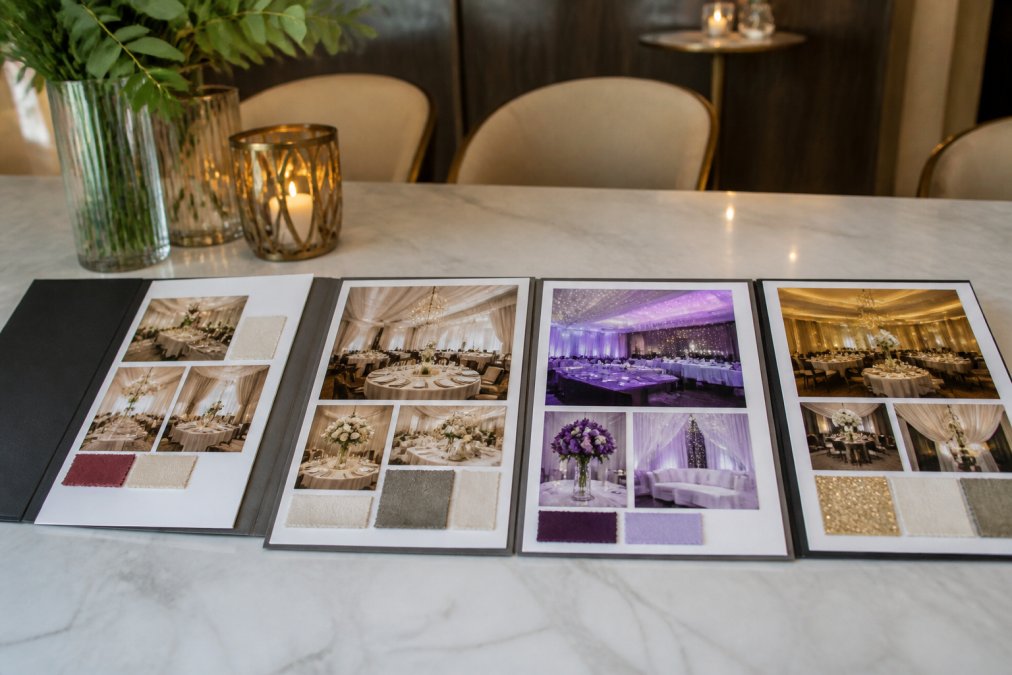
The benefits section is where most templates go soft. See what’s included at the venue so you can list concrete, credible benefits in your proposal.
Then come tiers, pricing, and a deadline. A template without a response date invites a permanent maybe.
A strong template covers these elements in this order.
| Element | What it covers |
|---|---|
| Event overview | Who attends, how many, and why |
| Audience demographics | Job titles, company sizes, buying authority |
| Event objectives | Stated plainly, because sponsors fund outcomes |
| Sponsor benefits | Concrete visibility, activation space, digital exposure |
| Tiered packages | Named tiers with distinct visibility levels |
| Deliverables | What the sponsor actually receives |
| Pricing | Price placed next to the benefit list |
| Call to action | A clear response date |
Event Sponsorship Package Examples That Show Real Sponsor Benefits
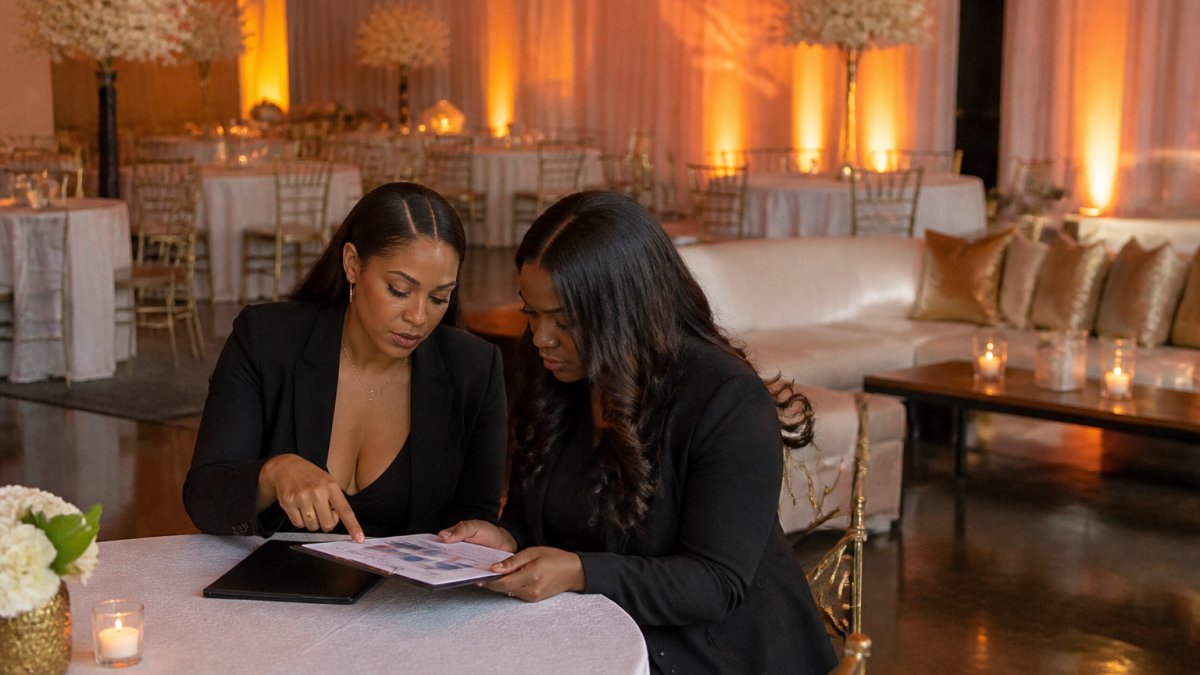
Good event sponsorship package examples share one habit: every benefit is something the sponsor can picture and price.
For intimate, high-end gatherings, three tiers work well, each with a named audience, a named deliverable, and a defensible price. Explore our rate sheet for ideal venue options, from intimate gatherings to grand celebrations. No filler line items, no meaningless “marketing opportunities” language.
The mistake is building tiers around what you want to sell rather than what sponsors want to buy.
Tiered Package Example for an 80-Guest Venue Event
Picture a seated dinner for 80 guests in a draped, up-lit room. A workable three-tier structure looks like this:
- Presenting Sponsor, $10,000: name attached to the event itself (“[Event] presented by [Company]”), logo on the main stage backdrop seen by every guest during the program, welcome remarks from the podium, reserved lounge seating for eight, a full guest list with contact details after the event, and category exclusivity in their industry.
- Reception Sponsor, $5,000: logo on bar and lounge signage, branded cocktail-hour activation (a signature drink, a photo moment, or a product display), social media recognition before and after the event, and four reserved seats at the dinner.
- Table Sponsor, $2,500: one reserved table of eight, logo in the printed program, a mention in the post-event recap, and logo placement on the digital event page.
Each tier should carry a different level of visibility, not just a different price. If the only difference is logo size, sponsors buy the cheapest one. The Presenting tier is roughly four times the Table tier because it bundles exclusivity, stage time, and the guest list, three things a sponsor cannot buy elsewhere at the event.
How to Price a Package Without Guessing
Most templates hand you a blank price column and no method. Build the number from four inputs:
- Audience value. Multiply expected attendance by the share of guests who match the sponsor’s target customer. For the 80-guest dinner, if half hold budget authority, the top tier is selling access to roughly 40 decision-makers, a number you can state in the proposal.
- Comparable events. Check what similar-sized events in your market charge for comparable visibility. Chamber of commerce listings, industry association rate cards, and peer events’ published sponsor pages are the most reliable public benchmarks.
- Deliverable cost. Add up what it actually costs you to deliver each benefit, signage printing, AV time, program printing, staff hours for activation setup. A benefit that costs you $400 to produce should not be sold inside a $500 tier.
- Exposure multiple. A common pattern is to price a package at three to five times the hard cost of its deliverables, with the multiple rising for tiers that include exclusivity or stage time.
Write the math into the proposal as a short “what your investment covers” paragraph. Sponsors compare your ask against three other events that week; one that explains its value survives that comparison better than one that just states a number.
Put the price next to the benefit list, not on a separate page. Sponsors who have to flip back and forth to match price to value often just stop reading.
Three Package Examples for Three Sponsor Types
The same 80-guest event can be pitched three ways:
- For a local restaurant or retailer: lead with foot traffic and photos. A $2,500 Table Sponsor package that includes a branded photo moment and a post-event recap with images gives them content for their own social channels.
- For a regional bank or professional services firm: lead with audience quality and exclusivity. A $10,000 Presenting package that includes category exclusivity and a guest list of decision-makers matches how they already buy sponsorship.
- For a nonprofit or community partner: lead with visible community support. A $5,000 Reception package with logo placement and a mention in the program gives them the public association they need for their own stakeholders.
Build one master template, then swap the benefit emphasis and price tier for each sponsor type, faster than starting from a blank page and far more effective than sending the same PDF to all three.
Best for: events with a defined guest list and a clear audience profile.
Skip if: your attendance is still a guess, because tiers priced against unknown numbers fall apart in negotiation.
Sponsorship Levels and Benefits: How to Build Tiers That Sell
Build sponsorship levels and benefits by working backward from your audience numbers.
Three tiers is usually right. Two feels like a shakedown; five overwhelms a sponsor comparing you against three other events that week.
Name the tiers after the benefit, not the metal. “Presenting,” “Reception,” and “Table” tell a sponsor what they get.
Give each tier one exclusive element. Browse rental upgrades you can package as premium tier benefits.
The Event Sponsorship Letter Template for Formal Outreach
An event sponsorship letter template is your formal ask, sent when you have a specific contact and proposal attached.
Formal letters still matter for nonprofits, civic organizations, and larger companies with procurement processes.
A letter that describes your event for three paragraphs before mentioning the sponsor reads as a newsletter, not an ask. Lead with them.
Keep the tone direct. “We are inviting [Company] to serve as Presenting Sponsor of [Event] on [Date], reaching [number] guests in [audience description].
The Event Sponsorship Email Template for Fast Follow-Up
An event sponsorship email template does a different job than the letter: shorter, faster, and built to get a reply or a meeting, not to close the deal.
Subject line: the event name and the sponsor’s category. “Presenting sponsorship, [Event], [Month]” beats “Sponsorship Opportunity!!” every time.
Body: three short paragraphs. One names them and the fit. Two gives the audience number and the top benefit in a line. Three asks for a fifteen-minute call and offers two time windows.
Attach the proposal as a PDF, not a link that requires a login. Sponsors forward proposals internally, and a forwarded PDF still works.
Follow up once after five business days, once more after two weeks, then stop. A second follow-up with one new detail, a confirmed speaker or updated guest count, beats a generic “just checking in.”
Pricing, Fulfillment, and Post-Event Reporting: What Templates Leave Out
This is the gap. Templates give you the pitch and stop before the parts that decide renewal: pricing logic, fulfillment terms, and post-event reporting.
Pricing Logic: Show the Math, Not Just the Number
Pricing logic means showing your work: for each tier, show the audience size, exposure, and deliverables behind it. A short “what your investment covers” paragraph does more than a page of adjectives:
- Audience: 80 guests, roughly 40 with budget authority, based on registration data from last year’s event.
- Exposure: logo on the main stage backdrop for the full program, plus bar and lounge signage for the evening.
- Deliverables: printed program placement, two social posts, and a post-event recap with photos.
Sponsors compare your ask against other events, and a proposal that explains its value survives that comparison. If you cannot yet state attendance with confidence, say so and offer a range, a hedged number is better than a number the sponsor later discovers was inflated.
Fulfillment Terms: Put the Operational Details in Writing
Fulfillment terms mean spelling out what happens if plans change. Who supplies signage, when artwork is due, what happens to a logo if the program shifts. Put it in writing. Disputes over unfulfilled benefits are the fastest way to lose a repeat sponsor.
A one-page fulfillment addendum attached to the proposal should cover:
- Artwork deadlines. A specific date, typically two to three weeks before the event, after which late logos may not make the print run.
- Who supplies what. State plainly whether the sponsor provides print-ready files or whether you handle design, and who pays for printing.
- Brand approvals. A named contact on each side who signs off on logo usage and activation details.
A sponsor who receives no recap assumes the event underdelivered, even if it went perfectly. The report is part of the product, not a courtesy.
Post-Event Reporting: The Retention Engine
Post-event reporting is the retention engine. Send a recap within two weeks, while the experience is fresh and before sponsors move on to next quarter’s budget. A renewal-supporting report covers five things:
- Delivered benefits. A checklist matching every promised benefit to what was actually delivered, with a photo where possible. “Logo on stage backdrop, delivered, photo attached” closes the loop.
- Attendance and audience. Final guest count, the share of guests matching the sponsor’s target profile, and any notable attendees.
- Engagement. Social media reach and impressions on posts that featured the sponsor, plus any on-site activation metrics such as photo-moment participation or drink-redemption counts.
- Leads and contacts. Any guest contacts collected on the sponsor’s behalf, shared in a format that complies with your data privacy terms.
- Lessons and next steps. One or two honest observations about what worked and what you would change, plus a specific invitation to renew at a named tier for the next event.
how to measure corporate event ROI walks through the metrics worth reporting, the section most templates never mention. Sponsors who renew usually received a report that made their internal reporting easy to forward to leadership and show a return.
A Simple Follow-Up Timeline
- Within 48 hours: a thank-you email with one photo of the sponsor’s logo in place.
- Within two weeks: the full post-event report as a PDF.
- Within 30 days: a renewal conversation with a specific tier and date for the next event.
Put those three dates in your template’s final page. A sponsor who sees a follow-up plan before the event trusts that the relationship continues after it.
Request the M Lounge Sponsorship Packet for Your Next Event
Templates get you to a first draft; the venue gets you to a proposal a sponsor believes. Make a reservation for a baby shower, social gathering, birthday, wedding party, or corporate and fundraising event. M Lounge offers a draped, up-lit space with professional lounge furniture, seated capacity for 80 and cocktail capacity for 100.
Frequently Asked Questions
What should an event sponsorship proposal include?
A complete sponsorship proposal covers the event overview and purpose, audience demographics and reach, event goals, sponsor benefits, sponsorship levels and pricing, deliverables and visibility terms, and a clear call to action. Add a short section on how you will report results after the event. The proposal should read as a business case for the sponsor, not a description of your party. Keep it tight: one page of summary up front, then supporting detail.
What are the different types of event sponsorship packages?
Most events offer three to five tiers, typically a presenting or title level, a gold or premier level, a mid-tier level, and an in-kind or community level. Each tier bundles logo placement, on-site activation space, digital exposure, and recognition at different volumes. In-kind packages trade goods or services, such as florals or AV, for visibility instead of cash. Build tiers so the top level is clearly the best value per dollar, which pushes sponsors upward.
How much should you charge for event sponsorship?
There is no universal rate. Price against what the sponsor receives: expected attendance, impressions, lead generation potential, and exclusivity. Start by calculating your cost per attendee and the value of each deliverable, then set tiers so the entry level covers your base costs. Quote in USD and state exactly what is included.
What is the difference between a sponsorship proposal and a sponsorship letter?
A sponsorship letter is the short outreach message, usually one page, that introduces your event and asks for a meeting or decision. A sponsorship proposal is the fuller document with packages, pricing, audience data, and deliverables that follows once the sponsor shows interest. Send the letter or email first, then the proposal. Sending a full proposal cold, with no prior contact, usually gets ignored.
How do you follow up after sending a sponsorship proposal?
Wait three to five business days, then send a short email referencing one specific benefit relevant to that sponsor. If there is no reply after a second touch, call. Keep a simple tracker with the send date, contact name, and next action. Sponsors often need approval from a marketing lead or finance, so ask directly who signs off. A polite, specific follow-up beats a generic check-in every time.
Sponsorship proposals fail on the details, not the design. If your next event needs a space that makes the benefits real, M Lounge provides the draping, lighting, lounge furniture, and on-site event management that turn a template into a proposal sponsors say yes to. Get started with M Lounge and build a sponsorship packet backed by a room that delivers.