


Table of Contents
- Start with Strategic Venue Selection for Affordable Luxury
- Create a Wedding Budget Breakdown Template That Prioritizes Impact
- How to Make a Wedding Look Expensive With Design Psychology
- Master Vendor Negotiation to Stretch Your Budget
- DIY Decor and Centerpieces That Read as High-End
- Smart Catering and Beverage Hacks for Sophisticated Receptions
- Timing Your Ceremony for Maximum Aesthetic Impact
- Frequently Asked Questions
Last Updated: September 27, 2026
Planning a luxury wedding on a budget is possible, the difference between a $50,000 and $25,000 wedding often comes down to strategy, not spending. This guide breaks down exactly how to do it.
Start with Strategic Venue Selection for Affordable Luxury
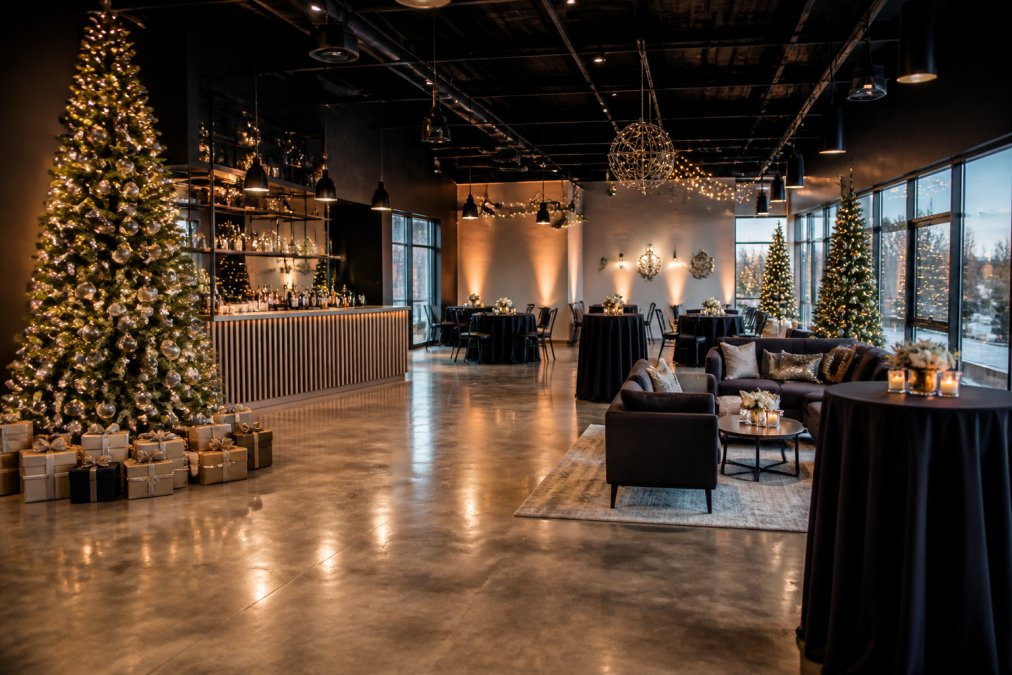
Your venue sets the tone for everything else. Look for spaces with built-in elegance, high ceilings, natural light, architectural details, or dramatic backdrops eliminate the need for expensive decor. A venue with character requires fewer centerpieces, less draping, and minimal additional lighting to feel sophisticated.
Off-peak dates (Friday afternoons, Sunday brunches, weekdays) cost significantly less than Saturday nights while offering better vendor availability and rates. The space feels equally luxurious on a different day.
Smaller venues (60-80 guests) feel more curated and exclusive than sprawling ballrooms. Intimate spaces naturally feel sophisticated because every detail is visible and matters, requiring fewer decor investments.
Ask venues what’s included. Professional up-lights and draping as part of the package eliminate separate rental fees, this is where you save thousands while maintaining opulent aesthetics.
Tour venues in the evening or at your actual event time. Lighting transforms a space completely. What looks plain at noon may feel magical at twilight with professional up-lights.
Create a Wedding Budget Breakdown Template That Prioritizes Impact
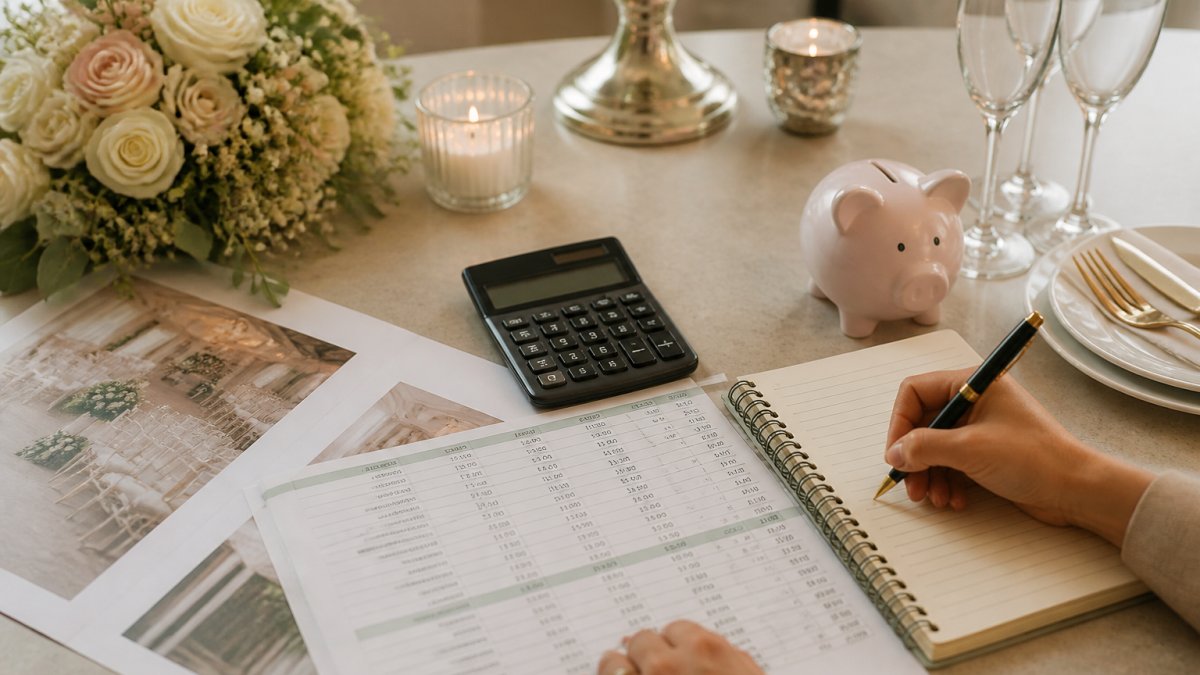
Most couples split budgets equally across categories. Instead, allocate based on visual impact and guest experience, what guests see and feel matters most.
Here’s how to think about it:
| Category | Typical Split | Impact Split | Why |
|---|---|---|---|
| Venue | 25% | 30-35% | Sets the entire aesthetic foundation |
| Catering | 30% | 20-25% | Quality food matters, but doesn’t need to be premium |
| Decor & Florals | 15% | 25-30% | Creates visual luxury perception |
| Photography | 10% | 10% | Documents the day; guests experience it live |
| Music/Entertainment | 10% | 5-10% | Enhances atmosphere but doesn’t define it |
| Stationery | 5% | 2-3% | Mostly unseen; digital options work |
| Miscellaneous | 5% | 5% | Buffer for unexpected costs |
Move budget from catering (where mid-tier pricing works) to decor and ambiance (where guests spend the entire event). A beautiful room with good food feels more luxurious than a plain room with expensive catering. Identify your three non-negotiables and protect those budgets; everything else becomes flexible.
Luxury perception is built on what guests SEE and FEEL, not on price tags they’ll never know. Invest in visual impact and memorable experiences, not hidden premium costs.
How to Make a Wedding Look Expensive With Design Psychology
Expensive weddings share common design principles. Most have nothing to do with actual cost. The real secret is understanding how human perception works, and designing for the senses, not just the eyes.
The Five Sensory Elements That Drive Luxury Perception
Control these five sensory elements, and the event feels luxurious regardless of budget.
1. Scent, The Most Underutilized Luxury Signal
Use one signature scent throughout the venue, fresh florals, a single candle scent in the entryway, or subtle room spray. Avoid competing scents; one clear olfactory identity feels curated.
2. Spatial Flow, How Guests Move Through the Event
Luxury events guide guests through intentional sequences. Budget events feel scattered.
Design the guest journey: a defined arrival entryway, separate cocktail space, clear reception focal point, and logical flow between bar, lounge, dance floor, and restrooms. A well-designed space makes guests feel guided and cared for, this costs nothing but planning.
3. Lighting, The Single Most Transformative Element
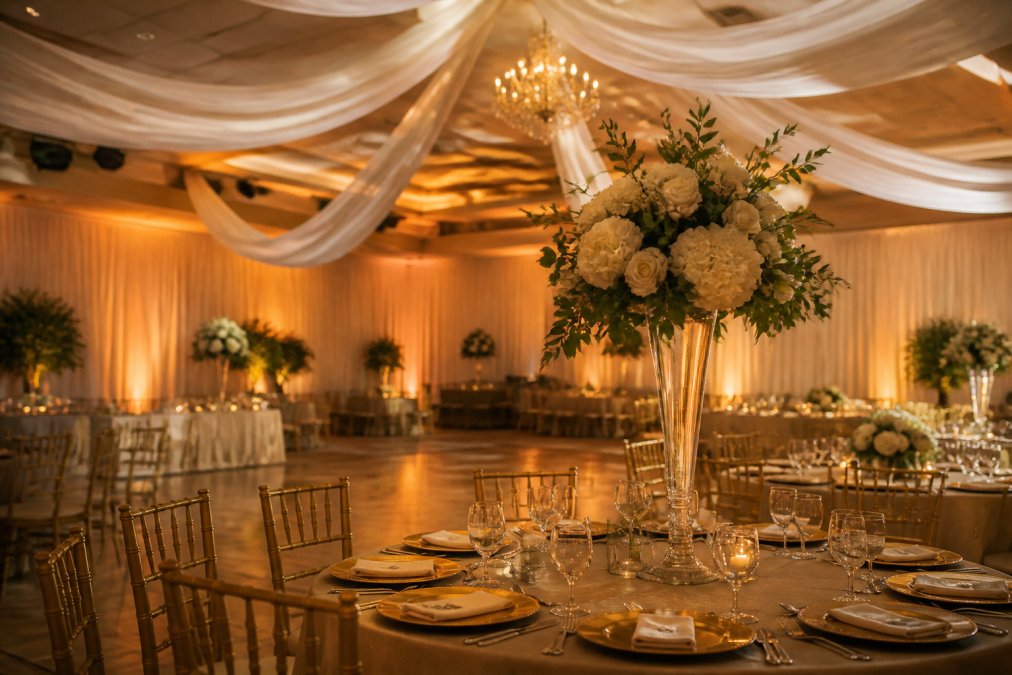
Lighting is the difference between a space feeling warm and inviting versus cold and institutional. This is where your budget investment pays the highest return.
Choose warm amber and gold lighting (2700K) throughout for luxury and romance. Layer lighting with ambient (overhead/uplighting), task (bar/ceremony), accent (architectural features), and candlelight to create visual depth and intentionality.
4. Sound and Silence, The Overlooked Luxury Signal
Luxury events have intentional sound design. Budget events have awkward silence or constant background noise.
Use soft background music during cocktail hour, lower volume during dinner, and louder music during dancing, all allowing normal conversation. Intentional sound transitions signal planning and care.
5. Tactile Experience, What Guests Touch and Feel
Luxury is felt through textures: high-quality linens, comfortable seating, real glassware, and real silverware.
Design Principles That Amplify Luxury Perception
Restraint reads as luxury: One stunning floral arrangement per table beats scattered centerpieces. Uniformity creates sophistication: Matching linens and coordinated colors feel polished. Height variation creates drama: Tall centerpieces and layered lighting make spaces feel grander. Negative space signals luxury: Leave breathing room on tables and walls.
Lighting and Ambiance as Your High-Impact Anchor
Lighting is the single most transformative element in any space. Professional up-lights change everything.
Curating Visual Focal Points Over Full Coverage
Identify three focal points: ceremony backdrop, guest table centerpieces, and one statement area. Make these stunning; leave everything else minimal. A dramatic ceremony backdrop anchors the event. Guest tables need matching linens and consistent centerpieces. One statement lounge area creates an exclusive vibe.
Luxury perception is built on sensory coherence, not price tags. Control scent, spatial flow, lighting, sound, and tactile experience. When all five align, guests feel the event is expensive, regardless of actual cost.
::: Refining these sensory details extends to the arrival experience, where the choice of luxury wedding transportation serves as the final, cohesive element that anchors the atmosphere of sophistication before the ceremony even begins.
Master Vendor Negotiation to Stretch Your Budget
Vendors have flexibility you don’t know about unless you ask. How you ask matters, framing and psychology often determine whether they restructure or decline.
Use Anchoring and Reframing Language
Frame requests strategically: “I have $X allocated for florals. What’s the most impactful design you can create?” This positions you as a strategic planner, not a bargain-hunter. Vendors respect fixed budgets and are willing to restructure scope.
The “Three-Option” Negotiation Framework
Request three options: Full Vision (full price), Strategic Version (60% of budget), and Essentials Version (40% of budget). This shows you’re strategic, not price-hunting, and often reveals the Strategic Version is 80% as impactful at significantly lower cost.
Timing and Seasonality as Negotiation Leverage
Off-season (December-March) vendors have open slots and negotiate more readily. A March Saturday costs 20-30% less than June for the same quality. Lead with your date to signal flexibility.
Bundle and Trade-Off Strategies
Bundle services for 10-15% discounts. Negotiate scope, not price: “Can we reduce cocktail hors d’oeuvres from 8 to 4 options?” Vendors prefer delivering fewer items excellently.
The “Transparency Conversation”
Tell vendors your total budget upfront: “My total budget is $30,000, and I’ve allocated $4,500 for florals. What’s the most beautiful design you can create?” This eliminates back-and-forth and often results in creative solutions.
What to Ask Every Vendor Before Signing
Hidden fees destroy budgets. Use this checklist:
- “What is included in this quote, and what costs extra?” (Get itemized lists.)
- “Are there delivery, setup, or breakdown fees?” (These often aren’t included.)
- “What happens if we need to adjust the date or guest count?” (Know the change fees.)
- “Do you require a deposit? When is the balance due?” (Confirm payment terms.)
- “What’s your cancellation policy?” (Understand your exit if plans change.)
- “Are there any seasonal surcharges or rush fees?” (Off-season should cost less.)
Get everything in writing, including what’s included in the base price. This prevents surprise fees and keeps everyone aligned.
Vendor negotiations succeed when you frame yourself as a strategic planner, not a bargain-hunter. Lead with your date (off-peak is better), your total budget (transparency builds trust), and your priorities (scope reduction beats price-cutting). Vendors respect constraints; they resist being squeezed.
DIY Decor and Centerpieces That Read as High-End
DIY means intentional: simple geometric centerpieces, candles in consistent holders, thrifted vintage pieces, and fabric draping. Focus effort on high-visibility areas, ceremony backdrop, guest tables, and one statement area.
Smart Catering and Beverage Hacks for Sophisticated Receptions
Premium catering costs money. Strategic catering feels premium without the cost.
Timing Your Ceremony for Maximum Aesthetic Impact
Twilight ceremonies create natural beauty without additional cost.
A 5 or 6 PM ceremony means you begin with natural daylight and transition into evening as the sun sets. This creates a naturally beautiful backdrop with minimal lighting needs. The light is flattering for photos, and the transition feels magical.
Couples seeking opulent ambiance on a realistic budget who are flexible on timing and willing to prioritize visual impact over premium services.
Frequently Asked Questions
What is the 50/20/30 rule for wedding budgeting?
The 50/20/30 rule allocates 50% of your budget to venue and catering, 20% to photography and videography, and 30% to everything else (flowers, music, stationery, rentals). This framework helps you prioritize high-impact spending. However, for a luxury wedding on a budget, you can shift percentages based on what creates the most elegant aesthetic, sometimes reducing photography spend to invest in lighting and venue draping creates greater visual impact.
How can I make my wedding reception look expensive on a limited budget?
Focus on three high-impact elements: professional lighting (chandeliers or up-lights), strategic floral arrangements at key focal points rather than every table, and sophisticated table linens and place settings. Choose a venue with natural architectural features or existing ambiance to minimize decoration needs. Curate your guest experience through thoughtful details, quality canapés, signature cocktails, and elegant stationery, rather than trying to fill every corner with decor.
What are the most effective ways to cut wedding costs without sacrificing style?
Prioritize spending on what guests see and experience first: the ceremony backdrop, reception ambiance, and food quality. Negotiate with vendors on package pricing rather than accepting à la carte rates. Use DIY centerpieces with high-end materials (fresh greenery, simple vessels, minimal florals). Choose off-peak ceremony timing (twilight or Sunday brunch) for venue discounts. Thrift or rent decor elements like linens and charger plates. Work with your venue to maximize their existing aesthetic so you’re adding to excellence rather than starting from scratch.
How does venue selection impact the overall aesthetic of a budget-friendly wedding?
Your venue is the foundation of luxury perception. A space with existing elegant features, high ceilings, architectural details, professional lighting infrastructure, or beautiful natural light, requires minimal additional decor investment. An affordable luxury wedding venue with built-in sophistication (like one featuring professional lounge furniture and venue draping) reduces the cost and effort needed to achieve an opulent aesthetic. This is why strategic venue selection is your first and most powerful budget decision.