


Last Updated: November 8, 2026
Quick Summary
Unique networking event venues such as lounges, private event spaces, galleries, museums, and rooftops often create better conversation than standard hotel ballrooms. Lounges suit groups of roughly 30 to 100 people, while galleries bring built-in conversation pieces and rooftops offer views but need a weather plan. Compare capacity, total cost, and layout before choosing.
- Lounges suit groups of roughly 30 to 100 people who want a relaxed feel.
- M Lounge offers a seated capacity of 80 guests and a cocktail capacity of 100.
- Rooftops need a confirmed rain plan and indoor backup before you sign.
- Request a total-cost quote covering rentals, staffing, AV, and setup in writing.
- Place two or three smaller bar stations around the room instead of one central bar.
Table of Contents
- Why Unique Venues Work Better for Professional Networking
- 8 Unique Venue Types for Networking Events
- Corporate Networking Event Venue Checklist
- How to Choose a Venue That Encourages Conversation
- Networking Event Layout Ideas That Keep Guests Talking
- Networking Event Venue Amenities to Look For
- Booking Your Networking Venue: Timing, Costs, and Contracts
- Book a Walkthrough at M Lounge for Your Next Networking Event
- Frequently Asked Questions
Choosing the right space can make or break a professional networking event, and most planners start with the same few hotel ballrooms, but unique networking event venues often deliver a better experience. Cvent’s guide to 17 networking event ideas in unique venues shows how far the options extend beyond conventional meeting rooms.
A unique venue is a space built for something other than meetings. Lounges, galleries, and rooftops tend to be more conversational than a hotel conference room. This guide covers the venue types worth considering, a checklist for comparing them, and the layout, amenity, and contract details that often get overlooked.
Why Unique Venues Work Better for Professional Networking
Networking depends on people talking to people they do not already know. A standard conference room with rows of chairs works against that. Unique venues encourage movement, small clusters, and easy introductions.
The atmosphere matters as much as the room. Soft lighting, comfortable seating, and a distinctive setting give guests a reason to stay and talk. Peerspace’s networking event space collection lists rooftop gathering spaces, boutique-hotel rooms, and artistic galleries, which shows the range of settings planners can rent.
Unique venues also tend to offer more flexibility. Many networking event venues let you set up the room around your program rather than the other way around.
8 Unique Venue Types for Networking Events
Every venue type trades off something. Before you shortlist, decide which matters most: capacity, budget, or atmosphere.
Lounges and Private Event Spaces
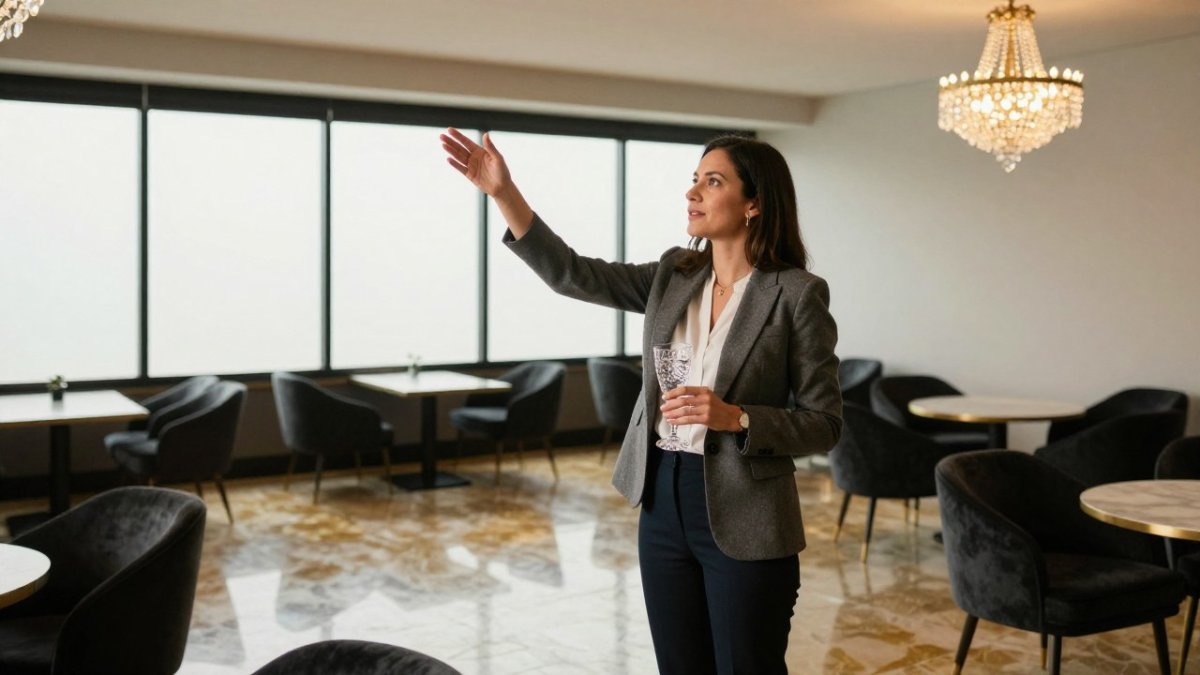
Lounges suit groups of roughly 30 to 100 people who want a relaxed, polished feel. M Lounge, for example, offers a seated capacity of 80 guests and a cocktail capacity of 100, with professional lounge furniture and up-lights available.
Private event spaces give you more control over the room. You can usually close the space to outside guests, which matters for confidential or client-focused events.
Galleries, Museums, and Rooftops
Galleries and museums bring built-in conversation pieces, so guests have something to talk about besides their jobs. The tradeoff is restrictions. Many institutions limit catering, set strict hours, or require approved vendors.
Rooftops offer views and fresh air, but weather is the main risk. Always confirm a rain plan and indoor backup before signing.
Corporate Networking Event Venue Checklist
Use this checklist to compare any venue on your shortlist:
- Capacity fits both seated and standing formats
- Total cost is confirmed in writing, including setup and cleanup
- AV equipment and Wi-Fi are available and tested
- Catering rules and approved vendors are documented
- Parking and transit options are listed
- Accessibility meets your guests’ needs
How to Choose a Venue That Encourages Conversation
Start with your goal. A client appreciation mixer needs different energy than a recruiting event or a product launch.
Visit in person if you can. Walk the route from entrance to bar, check where people will stand, and note noise levels.
Ask the venue how they have supported similar events and what layouts have worked for past clients.
Networking Event Layout Ideas That Keep Guests Talking
Layout is the part of venue selection you can control even when the room is fixed. Treat the floor plan as an interaction design problem: where people enter, where they pause, how sound travels, and where small groups can form without blocking traffic. A step-by-step floor plan guide for small corporate events walks through each of these decisions in order.

Design the first ten feet
Guests decide within seconds of arriving whether to join a conversation or head for the bar. Put a landing zone just inside the entrance, a host stand, a drink station, or a high-top cluster, so arrivals have a reason to stop and turn toward the room instead of walking straight through it.
Spread the anchors, not the crowd
Bars, food stations, and coffee service are magnets. One central bar pulls everyone into a single crush; two or three smaller stations around the perimeter spread guests and create natural meeting points. The same logic applies to dessert and coffee: put them in different corners so people circulate late in the event.
Mix standing and seated zones on purpose
- High-tops and cocktail tables: best for quick introductions and short conversations; keep them at standing height so guests stay mobile.
- Lounge clusters: sofas and armchairs in groups of four to six support longer conversations and client talks.
- A quiet corner: a few seats away from the music give introverts and one-on-one meetings a place to land.
Keep main pathways at least four to five feet wide so two people can pass a standing group without interrupting it. If the room has columns or a bar in the center, use them as dividers rather than fighting them. Strategic placement of these structural elements helps maintain a natural flow that keeps attendees focused on the conversation, a principle further explored at The Hive Linq.
Treat sound as a layout decision
Hard surfaces, glass, concrete, exposed brick, look striking and echo badly once 80 people are talking. Ask the venue whether it has acoustic panels, drape, or carpet, and visit during a busy event if you can. If the room is loud, lower the music during the networking hour and place conversation zones away from speakers.
Light the faces, not the ceiling
Conversation depends on being able to see the person you are talking to. Ask whether the venue can raise lighting for arrivals and dim it later, and whether up-lighting or lamps can warm the room without glare. Avoid backlighting speakers or bars so guests are not squinting into silhouettes.
Plan for the program without killing the room
If you have remarks or a sponsor welcome, keep them short and position the speaker so guests can still talk around the edges.
Watch out: a room that feels spacious when empty can feel tight once catering tables, a bar, and a registration desk are placed. Ask the venue for a to-scale floor plan and mark your furniture before you commit.
Networking Event Venue Amenities to Look For
Amenities determine how much work your team does on the day. Check whether the venue provides:
- Lighting and draping, or whether you must rent them separately
- Furniture options, including lounge and standing pieces
- Sound and AV support for speakers or music
- Catering access and bar service rules
- Coat check, restrooms, and accessible entrances
- On-site staff for setup and breakdown
Ask for these in writing so you know exactly what is included in your quote.
Booking Your Networking Venue: Timing, Costs, and Contracts
Build a total-cost model before you compare two spaces, since the quoted rate alone rarely shows the full cost of an event. Our venue booking tips in seven steps cover securing the venue, timing, and contract terms in order.
Build a total-cost sheet, not a rate comparison
Ask every venue to quote the same eight lines so the numbers are comparable:
- Space rental or minimum: the flat fee, or the food-and-beverage minimum that replaces it
- Food and beverage: per-person packages, bar service, and the service charge and sales tax that sit on top
- Staffing: bartenders, servers, security, and coat check, plus any posted minimum hours
- Rentals: furniture, linens, drape, staging, and dance floor if not included
- AV and technology: microphones, screens, Wi-Fi upgrades, and on-site technician time
- Setup and cleanup: whether labor is bundled or billed hourly
If your guest count is uncertain, ask whether the minimum is based on the contracted count or the guaranteed count, and what happens if attendance drops.
Read the contract for the five clauses that cause event-day surprises
- Minimum guest guarantee. Ask whether your contract sets a guaranteed guest count, and confirm when it must be finalized and whether you pay for that number if fewer guests arrive.
- Overtime and load-in. Confirm when your access window starts and the hourly rate for going past it. Setup time is often billable.
- Cancellation and force majeure. Ask for the cancellation and refund terms in writing and whether deposits convert to a credit.
- Insurance and vendor rules. Many venues require a certificate of insurance and restrict outside caterers or AV vendors to an approved list.
- Noise curfew and exclusivity. Confirm the hard stop for music and whether the venue books another event in an adjacent room.
Get any concession added to the agreement before you sign, rather than relying on verbal assurances.
Time the booking to your date, not your planning comfort
Popular dates in the fall and around the holidays can book well in advance, so plan early. If your date is fixed, secure the space first and build the program around it; if the space is fixed, let the venue’s open dates drive your calendar.
Ask for a written quote with a line-item breakdown
Request the quote by email so every number is documented, and ask the venue to flag which lines are estimates versus fixed. Then run the same guest count through two or three venues on your shortlist.
The quoted rate rarely shows the full cost of an event, so compare venues on these line items.
| Cost line | What to check | Why it matters |
|---|---|---|
| Space rental or minimum | Flat fee or food-and-beverage minimum | Replaces or sets the room cost |
| Food and beverage | Per-person packages and bar service | Service charge and sales tax sit on top |
| Staffing | Bartenders, servers, security, coat check | Posted minimum hours apply |
| Rentals | Furniture, linens, drape, staging | Often not included |
| AV and technology | Microphones, screens, Wi-Fi, technician | Billed separately |
| Setup and cleanup | Bundled or hourly labor | Setup time is often billable |
| Deposit and payment | Amount at signing and balance date | Affects cash flow |
| Contingency | Overtime rate, guest-count and cancellation policy | Protects against surprises |
Book a Walkthrough at M Lounge for Your Next Networking Event
If you are shortlisting venues for a networking event in Maryland or the D.C. area, visit M Lounge’s website to see the space and request a quote. Planners can also review our corporate event space rental checklist before a walkthrough.
We recommend seeing the room in person before you commit, so you can judge the atmosphere for yourself.
Frequently Asked Questions
What makes a venue good for a professional networking event?
A good networking venue has enough open floor space for people to move, comfortable seating clusters for small conversations, and lighting that makes faces easy to see. It should also suit your headcount without feeling empty or cramped. Check that the space can accommodate both a seated capacity and a cocktail-style capacity, since networking formats often mix the two. Finally, look for a venue whose atmosphere matches your brand so guests feel the event was planned with intent.
How do I find a unique venue for a networking event?
Start by listing the atmosphere you want, such as lounge-style, gallery, or rooftop, then search venue marketplaces that let you filter by event type and capacity. Shortlist three to five spaces and request a walkthrough at each. Ask about setup flexibility, included furniture, and lighting options. Visiting in person shows you how sound carries and how the room flows, details that photos rarely capture.
How far in advance should I book a networking event venue?
Popular unique venues often book weeks or months ahead, especially for weekday evenings and the busy fall and holiday seasons. A common approach is to start the search six to twelve weeks before the event and confirm the date as soon as you have a shortlist. Booking early also gives you time to negotiate setup details and confirm availability for any add-ons you need.
How much space do I need for a networking event?
A common planning guideline is to allow roughly 10 to 15 square feet per guest for standing networking formats, and more if you are adding seating, food stations, or a stage. Seated events need more room per person. Ask the venue for its seated and cocktail capacities, then confirm that the layout still leaves clear walkways and conversation zones once furniture is placed.