


Table of Contents
- Understanding Your Wedding Planning Alternatives
- Wedding Venue Coordinator vs Wedding Planner: Key Differences
- DIY Wedding Planning Checklist and Self-Managed Approach
- Wedding Day-of Coordinator Services
- Digital and Technology-Enabled Planning Options
- Nontraditional Wedding Reception Ideas and Celebration Formats
- Partial Planning Services and À la Carte Support
- Choosing the Right Level of Planning Support for Your Budget
- Frequently Asked Questions
Last Updated: October 20, 2026
Understanding Your Wedding Planning Alternatives
The assumption is often that you need a full-service wedding planner, but that’s just one path. Alternatives to standard wedding planning services now range from complete DIY to hybrid approaches that blend professional support with your own involvement.
The choice comes down to three factors: your budget, how much time you want to invest, and what aspects of planning stress you most. Each approach has real trade-offs worth understanding before you commit.
At M Lounge, we work with couples exploring all these options. The best choice isn’t always the most expensive one, it’s the one that matches your actual needs.
Wedding Venue Coordinator vs Wedding Planner: Key Differences
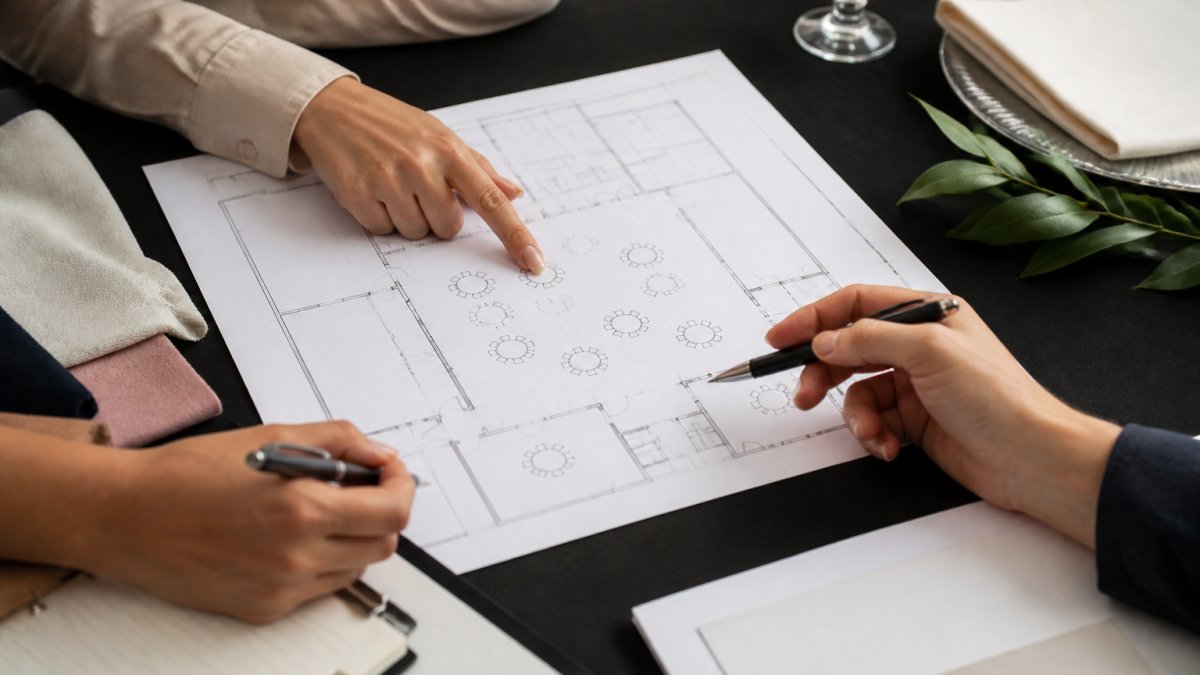
A wedding venue coordinator and a wedding planner serve fundamentally different roles, and understanding that difference shapes your entire planning strategy.
A wedding planner handles everything from concept through execution: budget, vendor selection, timelines, design, logistics, and day-of coordination. They’re the central point of contact for all major decisions, the full-service model most people imagine.
A venue coordinator works specifically with your chosen location, knowing its layout, capabilities, and constraints. They ensure your vision works within that space and coordinate with your vendors, but they don’t help you find vendors, design your aesthetic, or manage your budget.
The practical difference: a planner is a strategist who shapes your entire event. A coordinator is a specialist who executes within a specific space.
For couples who’ve already found their venue and know what they want, a venue coordinator might be all you need. You handle vendor selection and design, then hand off logistics to someone who knows the location inside and out. It costs significantly less than full-service planning but requires more foundational work from you.
Many venues, including luxury spaces like M Lounge, include coordination services as part of the venue rental. That’s a built-in advantage worth considering when evaluating venues.
DIY Wedding Planning Checklist and Self-Managed Approach
Planning Timeline and Workload
DIY wedding planning is doable, but understand the actual workload before you commit. It’s not about capability, it’s about whether you have the time and want to spend it this way.

A typical full-scale DIY timeline runs 12-18 months out: months 1-3 cover foundational decisions (date, budget, guest count, venue), months 4-9 vendor selection and booking, months 10-12 logistics and invitations, and the final months confirmations, fittings, and day-of prep.
Time commitment varies: some couples spend 5-8 hours per week, others manage in 2-3, depending on how hands-on you want to be with details.
What most guides skip is the emotional load. Planning a wedding involves hundreds of small decisions. Each one feels important. The cumulative effect of making that many choices, even about things you care about, is real fatigue.
Essential Tasks and Vendor Coordination
If you’re self-managing, here’s what actually needs to happen:
- Venue selection and booking, Research locations, visit in person, understand capacity and what’s included, negotiate terms
- Budget breakdown, Allocate funds across venue, catering, flowers, photography, music, attire, invitations, and contingencies
- Guest list and invitations, Finalize who’s invited, design or select invitations, track RSVPs
- Vendor research and booking, Find and vet caterers, photographers, florists, musicians or DJs, rental companies
- Design and aesthetic decisions, Choose color schemes, themes, decoration style, ceremony format
- Timeline and logistics, Create a detailed day-of schedule, communicate it to all vendors, plan transportation and parking
- Legal requirements, Obtain marriage license, understand local regulations
The coordination challenge emerges when vendors need to communicate with each other, your caterer needs the timeline, your photographer the ceremony flow, your florist the venue’s setup requirements. With full-service planning, the planner manages these conversations. When you’re self-managing, you’re the hub for every vendor question.
This is where many DIY efforts hit friction: one vendor reveals a requirement two weeks out, another misunderstands the timeline, and a single miscommunication cascades into day-of problems.
Manage it with a shared document or spreadsheet of all vendor contacts, key dates, and critical details, sent to every vendor as the source of truth. Follow up in writing after every conversation, the administrative overhead prevents chaos.
Wedding Day-of Coordinator Services
A day-of coordinator arrives the morning of your wedding and handles execution. They’re not involved in planning, they’re there to make sure everything you’ve planned actually happens on schedule.
This role is less expensive than full-service planning because it’s narrowly scoped. You do all the planning work. They do the real-time problem-solving and timeline management on the day itself.
They arrive early to oversee setup, manage event timing, communicate with vendors in real time, and handle unexpected issues, adjusting for a late vendor, resolving a guest problem, or problem-solving on the fly.
The value is significant even for a single-day service. Wedding days are chaotic, and you’re emotionally invested and trying to be present. A coordinator handles the operational stress and catches problems before guests notice.
For many couples, a day-of coordinator represents the best value, you keep planning control but outsource the execution stress.
Digital and Technology-Enabled Planning Options
Technology has created new ways to manage wedding planning without hiring a person. These tools won’t replace a planner, but they can replace some of what a planner does.
Planning software like Planning Pod, HoneyBook, Aisle Planner, and Wedinest are designed for managing the operational side of planning. You can track vendors, create timelines, manage budgets, and store contracts and documentation. These platforms are built for the actual work of coordination.
Digital planning tools like That’s the One are built for wedding and event professionals, overkill for DIY planners, but available if you want software-level organization without hiring help.
These tools are excellent for organization and guest communication, but they don’t replace decision-making. You still choose vendors, design the event, and solve problems, technology just removes administrative friction by keeping everything in one place.
For couples who are detail-oriented and tech-comfortable, these tools can be genuinely sufficient. You’re not paying for someone’s expertise or time, you’re paying for software that helps you organize your own expertise and time.
Nontraditional Wedding Reception Ideas and Celebration Formats
Nontraditional receptions often cost less than standard sit-down dinners, partly because they require fewer staff and less formal setup. They also give you more flexibility to inject personality into how you celebrate.
Cocktail-style receptions skip the formal dinner entirely. Guests move around, eat appetizers, and socialize. This works particularly well for smaller guest counts (under 100) and informal vibes. It requires less venue space, fewer servers, and simpler catering logistics.
Backyard weddings or intimate ceremonies in non-traditional venues, historic libraries, rustic barns, outdoor settings near waterfalls, shift focus from venue grandeur to personal meaning. They often cost less, but you’re responsible for more logistics: parking, restrooms, weather contingencies, and setup.
Elopements and courthouse weddings are the most stripped-down version: get legally married with minimal guests, then celebrate however you want. Some host a casual celebration later; others elope and share photos afterward.
Unconventional celebration formats like rehearsal dinner-style gatherings, brunch weddings, or afternoon tea receptions reduce costs by shifting away from evening sit-down dinners. A brunch wedding with a smaller guest count and simpler menu costs substantially less than a formal evening reception.
The common thread: nontraditional formats work best when they align with what you actually want, not just as a cost-cutting measure.
Partial Planning Services and À la Carte Support
Between full-service planning and complete DIY, there’s a middle ground: hiring professionals for specific tasks rather than the entire event.
You might hire a florist to design your aesthetic and execute arrangements, a designer to create your color scheme and décor concept while you source items yourself, or a caterer for menu planning while you handle service logistics.
This approach lets you get professional input where you need it most while managing other aspects yourself. If design stresses you but logistics don’t, you hire a designer. If timeline management is your weakness but you love vendor coordination, you hire a coordinator.
The cost structure is straightforward: you pay for the specific service, not a percentage of your overall budget. This often works out cheaper than full-service planning if you’re selective about where you need help.
Some vendors used to full-service relationships resist partial engagements, but many are increasingly flexible, especially in competitive markets. It’s worth asking what à la carte options are available.
Choosing the Right Level of Planning Support for Your Budget
The decision ultimately comes down to three questions: How much time do you have? How much stress tolerance do you have for coordination? What’s your budget?
| Planning Approach | Time Investment | Stress Level | Typical Cost Range | Best For |
|---|---|---|---|---|
| Full-service planner | Minimal | Low | 10-15% of budget | Couples wanting complete outsourcing |
| Day-of coordinator | Minimal | Low (execution only) | $500-$1,500 | Couples who plan but want day support |
| Partial services | Moderate | Moderate | $2,000-$8,000 | Couples selective about where they need help |
| DIY with software tools | High | Moderate to high | $200-$1,000 | Detail-oriented, tech-comfortable couples |
| Complete DIY | High | High | Minimal | Budget-conscious, time-available couples |
With 12+ months and genuine interest, DIY is viable. With 6 months or less, you’ll want at least a day-of coordinator. With the budget and a low stress tolerance, full-service planning pays for itself through efficiency and problem prevention.
The middle options, day-of coordination, partial services, technology-enabled planning, often represent the best value: professional support where it matters most, without paying for expertise you don’t need.
One thing worth considering: many luxury venues like M Lounge include coordination services with the venue rental. This means you’re not choosing between venue and coordinator, you’re getting coordination as part of the space.
The wedding industry benefits when you feel like you need to hire everything. The truth is simpler: hire what makes sense for your situation, manage the rest yourself, and don’t apologize for the choice you make. Your wedding doesn’t need to follow anyone else’s playbook.
Planning your celebration should feel exciting, not overwhelming. Whether you’re managing everything yourself, working with a day-of coordinator, or hiring full-service support, the right approach depends on your timeline, budget, and what you actually want to spend your energy on.
Frequently Asked Questions
What are the main differences between a wedding planner and a day-of coordinator?
A wedding planner manages the entire planning process from start to finish, handling vendor selection, budget management, design, and logistics across months of preparation. A day-of coordinator typically starts closer to your wedding date and focuses on executing your existing plans, managing timelines, vendor arrival, setup, and real-time problem-solving on the day itself. Day-of coordinators are less expensive but require you or a planner to have already made major decisions. Wedding planners provide more comprehensive guidance but cost significantly more.
Can you plan a wedding without hiring a traditional wedding planner?
Yes. Many couples successfully plan weddings using DIY approaches with digital tools, partial planning services, or day-of coordinators. You can use planning software like HoneyBook, Aisle Planner, or Planning Pod to organize vendors and timelines. Wedding websites like Zola or Riley & Grey help manage guest communication and RSVPs. This approach requires more personal time and organizational effort, but gives you direct control over decisions and can reduce costs significantly compared to full-service planning.
What should be included in a DIY wedding planning checklist?
A comprehensive DIY checklist covers: venue selection and booking, guest list and invitations, catering and menu planning, photography and videography, flowers and décor, music or DJ, wedding attire, timeline creation, vendor contracts and payments, seating arrangements, ceremony logistics, reception flow, and contingency plans. Breaking tasks into 12-month, 6-month, 3-month, and final-week phases helps manage the workload. Digital tools and templates can simplify tracking.
Is a day-of wedding coordinator worth the cost?
A day-of coordinator is valuable if you’ve already made major planning decisions but want professional execution and real-time management on your wedding day. They handle vendor coordination, timeline management, setup oversight, and problem-solving, reducing stress and allowing you to enjoy your event. The cost is typically lower than full-service planning. However, if you’re hiring a full-service planner, ask whether day-of coordination is already included in their services.
What are some nontraditional wedding reception alternatives to a formal sit-down dinner?
Nontraditional reception formats include cocktail-style receptions with passed appetizers and standing mingling, outdoor garden parties or backyard celebrations, intimate brunch or lunch receptions, casual picnic-style gatherings, restaurant buyouts or private dining rooms, warehouse or loft celebrations with lounge seating and ambient lighting, elopement dinners for small groups, and creative formats like lawn games, bonfire gatherings, or destination celebrations. These alternatives can reduce costs, simplify logistics, and create more relaxed, personalized atmospheres that reflect your style.