




Last Updated: November 4, 2026
Quick Summary
Boutique venues can give corporate retreats a more cohesive, character-led setting that supports focused discussions, breakout sessions, and informal conversation. Their benefits depend on matching the space to the group’s size, agenda, privacy needs, and logistics; a boutique setting does not automatically improve performance or provide lodging and services.
- Map each agenda item to a suitable room setup and confirm whether layouts can change between sessions.
- Ask exactly which spaces, dates, and hours are covered by exclusive use.
- Check capacity, breakout options, accessibility, technology, lodging, and meal needs before booking.
- Request an itemized proposal and compare venues using the same guest count, schedule, and service list.
Table of Contents
- Benefits of Boutique Venues for Corporate Retreats
- Boutique Venues vs. Hotels and Large Resorts
- Corporate Retreat Planning Checklist for Venue Selection
- Corporate Retreat Agenda Templates for Focused Team Sessions
- Average Cost of Corporate Retreat Venues and Contract Details
- Measure Retreat Outcomes and Team Alignment
- Plan a Corporate Gathering at M Lounge
- Frequently Asked Questions
Benefits of Boutique Venues for Corporate Retreats
A boutique venue can support a corporate retreat by making the group’s work feel distinct from its usual office routine. Its value is not simply attractive decor: a smaller, character-led setting can make it easier to move between a shared discussion, a focused breakout, and informal conversation. Those transitions matter when the retreat is meant to build alignment or work through a difficult decision.

How the setting can support team culture
In a large conference property, attendees may disperse across floors, restaurants, and public spaces. A smaller venue can keep the group’s shared experience more cohesive. It does not guarantee stronger relationships.
The atmosphere can also signal that the retreat is different from a routine meeting. For a decision meeting, the room needs a layout that supports clear sightlines, note-taking, and focused facilitation.
Match the space to the work
Before choosing a venue, map each agenda item to a physical setup:
- Leadership discussion: Check that everyone can see and hear one another, and ask whether the room can be closed off from other events.
- Small-group problem-solving: Confirm that the venue has separate breakout areas or enough space to divide the group without disrupting other sessions.
- Presentations and decisions: Verify screen visibility, power access, acoustics, and a layout that lets attendees participate rather than watch from the edges.
- Informal connection: Look for a nearby lounge or shared area where people can talk without blocking the meeting room or interrupting another event.
Flexibility should be confirmed rather than assumed. Ask whether the layout can change between sessions. M Lounge lists capacity for 80 seated guests or 100 guests in a cocktail-style format; those figures describe different event setups, so confirm the appropriate configuration for the retreat agenda.
Watch out: An intimate atmosphere can become a constraint if the room is crowded, breakout conversations overlap, or attendees lack a quiet place to step away. Check the actual floor plan and walk through the planned transitions before booking.
The strongest case for a boutique venue is therefore a fit between the group’s size, working style, and goals, not a promise that a particular style of property will automatically improve performance. Confirm any meeting setup, accessibility, technology, lodging, or meal needs.
Boutique Venues vs. Hotels and Large Resorts
“Boutique venue” describes a style and scale, not a guaranteed package of services. A boutique event space may not provide guest rooms, while a boutique hotel may offer lodging but have limited meeting capacity. A large resort may combine rooms, dining, and meeting facilities on one property. Compare the specific property against the retreat’s agenda and attendee needs.
| What to compare | Boutique event venue | Boutique hotel | Large resort |
|---|---|---|---|
| Best fit | A focused gathering where the group can arrange lodging separately | A smaller retreat that needs on-site rooms and a personal setting | A multi-day program that needs lodging, dining, and several meeting spaces in one place |
| Privacy | Ask whether the booking includes exclusive use and which rooms or areas are included | Confirm whether other guests can access shared spaces and whether another event is scheduled nearby | Ask how meeting areas are separated from public spaces and concurrent events |
| Meeting setup | Confirm room capacity, breakout options, furniture changes, and included equipment | Check the size and availability of meeting rooms, not just guest-room count | Compare the distance between guest rooms, meeting rooms, and meals, as well as the available room configurations |
| Lodging and meals | Determine whether attendees need nearby hotels and separate meal arrangements | Confirm room-block terms, dining availability, and how far rooms are from the meeting space | Review room-block commitments, meal options, and whether the group can dine together |
| Local experiences | Check travel time to restaurants, outdoor activities, or cultural attractions | Ask what is walkable and what requires transportation | Check whether activities are on-site, nearby, or require leaving the property |
| Travel and access | Assess parking, transit, arrival instructions, and accessibility | Check the same details, including access between lodging and meeting areas | Consider the property’s size and the time attendees need to move between locations |
For a small leadership group working through confidential priorities, a private room or full-property buyout may matter more than a broad amenity list. For a larger team with attendees traveling from different locations, on-site lodging and meeting facilities may reduce coordination work. If local activities are part of the agenda, compare their actual travel time and transportation needs.
Privacy also needs a precise definition. Ask whether exclusive use covers the entire property, only the meeting room, or specific spaces during certain hours. Confirm whether other groups will be present and what the venue can do to limit interruptions during confidential sessions.
Watch out: A property can feel private while still hosting other guests or events. Get the areas, dates, hours, and access included in any exclusivity agreement in writing.
Choose the venue type that removes the most friction from the retreat’s actual plan. A boutique setting may offer a more intimate atmosphere, but a hotel or resort can be the better fit when lodging, multiple meeting rooms, or on-site services are essential. Compare the attendee experience rather than choosing by venue label alone. Because lodging and on-site services can shape the attendee experience as much as meeting space, choosing the right venue also means weighing the trade-offs between self-catering and boutique hotels.
Corporate Retreat Planning Checklist for Venue Selection
A corporate retreat planning checklist should test whether the venue can support your objectives, logistics, and attendee needs. The benefits of boutique venues for corporate retreats matter only if the space works for the planned activities. Check layout, access, technology, and contract terms before comparing visual details.
Use this checklist during venue selection:
- Confirm guest count against seated or reception capacity.
- Map the agenda to the room layout and breakout space.
- Ask what audiovisual equipment and reliable internet are available.
- Check accessibility, parking, transit options, and travel time.
- Confirm food, setup, cleanup, and vendor responsibilities in writing.
- Ask whether the booking includes exclusive use and which spaces.
- Review cancellation, overtime, deposit, and change terms.
- Ask about waste reduction, reusable service items, and other ESG practices.
For hybrid teams, consider whether a technology walkthrough is needed before relying on a general assurance that a venue is “tech-ready.”
Sustainability also deserves a direct question. Do not assume an attractive property meets your organization’s ESG goals.
For a more detailed evaluation, use our corporate retreat venue checklist.
Corporate Retreat Agenda Templates for Focused Team Sessions
Corporate retreat agenda templates work best when each session has a clear purpose, owner, and outcome. Keep the plan realistic and leave room for breaks.
A practical one-day structure:
- Opening and goals: Agree on the decisions the group needs to make.
- Strategy session: Review priorities and surface unresolved questions.
- Breakout discussion: Split into smaller groups to develop options.
- Shared lunch or pause: Give attendees time to connect informally.
- Decision session: Choose actions, owners, and follow-up dates.
- Closing review: Confirm what the group agreed and what remains open.
A common mistake is filling every hour. A retreat needs enough structure to protect the work.
For broader planning support, see our corporate retreat planning guide.
Average Cost of Corporate Retreat Venues and Contract Details
The average cost of corporate retreat venues cannot be stated reliably without a specific venue, date, group size, and list of included services. Request an itemized proposal instead of relying on an “all-inclusive” label. The benefits of boutique venues for corporate retreats should be weighed against the full cost.
Ask the venue to identify:
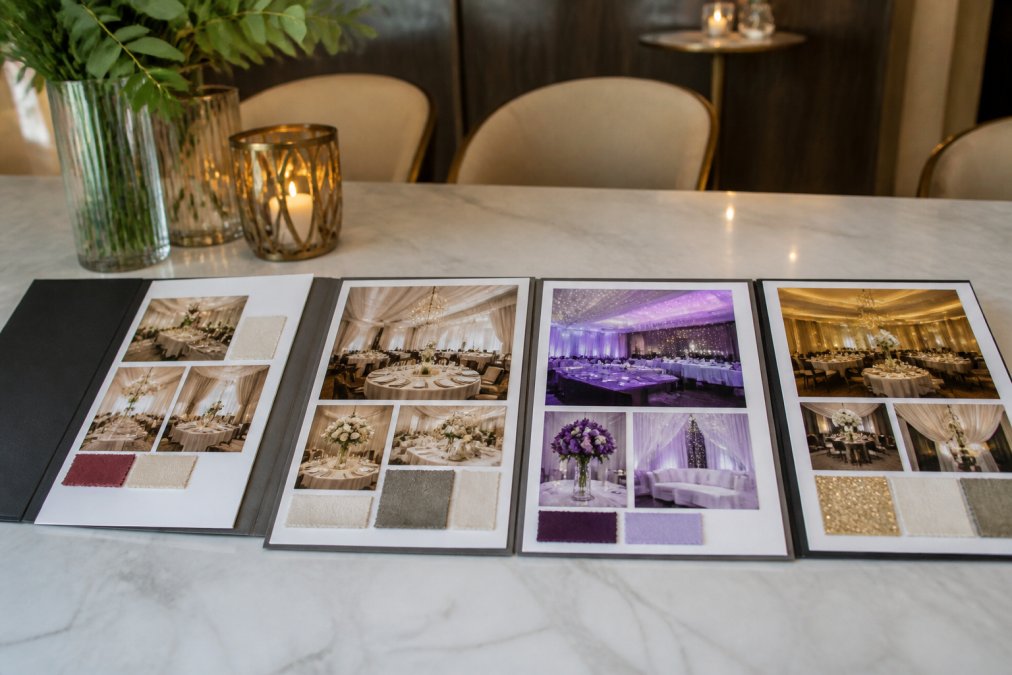
- Lighting, draping, and furniture charges
For smaller venues, clarify exactly what “exclusive use” covers. Get every verbal promise added to the written agreement.
Request current pricing directly from M Lounge, and compare proposals using the same guest count, schedule, and service list.
Measure Retreat Outcomes and Team Alignment
Measure a retreat by the decisions and follow-through it produces, not by how impressive the venue looks. The organization still needs clear goals and a way to track progress. Set the measures before the event.
Use a simple scorecard:
| Retreat goal | Evidence to record | Follow-up |
|---|---|---|
| Align on priorities | Agreed priorities and owners | Review at next team meeting |
| Resolve a decision | Decision and rationale | Track completion |
| Improve collaboration | Named cross-team actions | Check progress with owners |
Before booking, write down the business question the retreat must answer. Afterward, record decisions, assign owners, and schedule a review. This makes ROI easier to assess than relying on general impressions.
The guide to measuring retreat value offers a framework for weighing expected benefits against costs.
Plan a Corporate Gathering at M Lounge
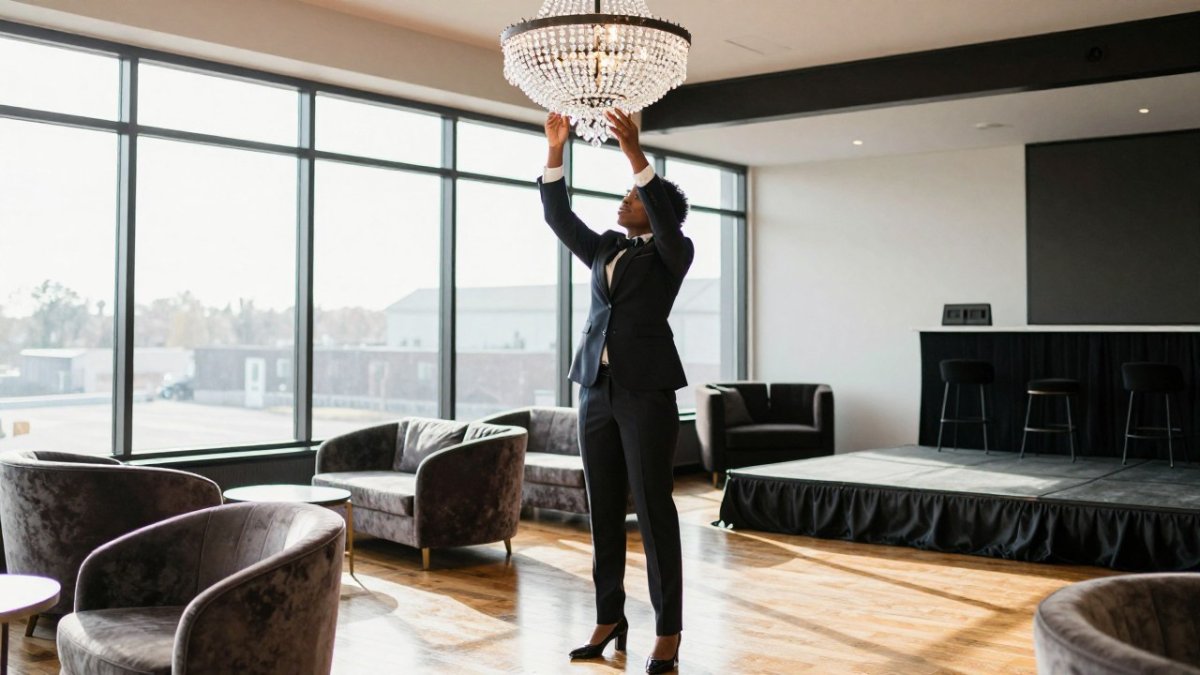
M Lounge may suit a corporate gathering that calls for an intimate, polished setting and fits its stated capacity of 80 seated guests or 100 cocktail-style guests. Its professional lounge furniture, venue draping, and up-lights create an elevated atmosphere. The benefits of boutique venues for corporate retreats are most relevant when the venue’s actual features match the agenda.
To compare fit, review intimate corporate event venues and explore M Lounge corporate events. Ask for current availability, pricing, and written details on what the booking includes.
Frequently Asked Questions
What defines a boutique venue for corporate events?
A boutique venue is typically a smaller, characterful space suited to groups seeking a more intimate setting and a more personal event experience than a large conference property. For a corporate retreat, check whether the venue has meeting facilities, breakout space, suitable technology, and enough capacity for your group. Boutique venues vary, so confirm the specific amenities, privacy arrangements, and event terms before booking.
How do boutique venues improve team collaboration during retreats?
An intimate setting can bring colleagues together for focused discussion, team building, and informal networking. The benefits of boutique venues for corporate retreats depend on how the space supports your agenda, so ask about room layouts, privacy, and technology for remote participants before choosing.
Are boutique venues more cost-effective for small corporate groups?
Not automatically. The total depends on the venue’s quoted fees, included amenities, event duration, catering, setup, and any additional services. Compare the complete proposal with the needs of your group rather than judging by the room fee alone. Ask for all charges in writing, including overtime and setup terms. Request current pricing from M Lounge directly.
What amenities should you look for in a boutique corporate retreat space?
Match amenities to the work your team needs to do. M Lounge lists professional lounge furniture, venue draping, and up-lighting, with capacity for 80 seated guests or 100 for a cocktail-style event.
A retreat can lose focus when the room, agenda, and group size do not work together. M Lounge offers an intimate event space with lounge furniture, venue draping, and professional up-lights for gatherings within its stated capacity. Get started with M Lounge and plan a corporate event around a setting that fits your group.

Permalink