


Table of Contents
- Setting Your Vision: High-End Wedding Design Trends 2026
- How to Choose a Wedding Venue That Defines the Experience
- Building Your Luxury Wedding Budget Breakdown 2026
- Assembling Your Vendor Team for Seamless Execution
- Sustainable Luxury Logistics and Tech-Integrated Guest Experiences
- Legal and Insurance Considerations for High-Budget Events
- Your Luxury Wedding Planning Timeline and Checklist
- Frequently Asked Questions
Last Updated: October 1, 2026
Setting Your Vision: High-End Wedding Design Trends 2026
Learning how to plan luxury wedding 2026 starts with a disciplined vision, not a Pinterest board. At M Lounge, we’ve watched couples who define three adjectives before booking anything move through planning faster and spend smarter than those who collect inspiration first. Intention beats accumulation.
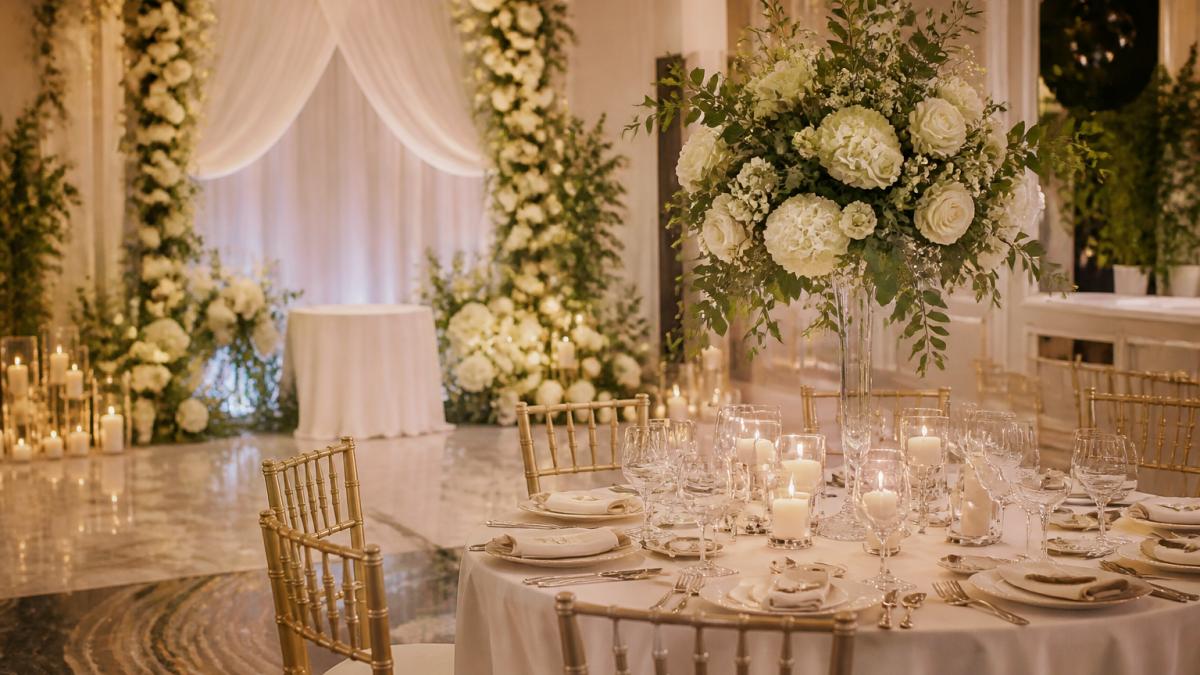
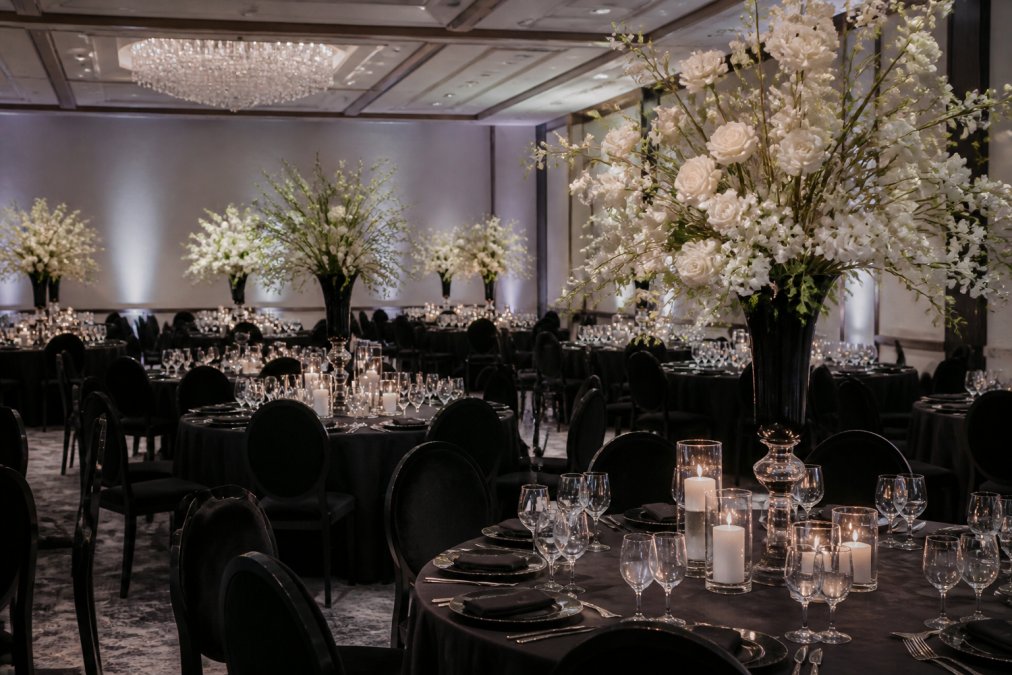
This year’s elevated aesthetic leans toward restraint: monochrome palettes with texture, architectural environments that speak for themselves, and floral installations used as sculpture rather than filler. Foliage does the heavy lifting in modern tablescapes. A cohesive design reads as sophisticated; a busy one reads as expensive without looking premium.
Build a one-page vision board before you tour a single venue. List three adjectives, two must-have design elements, and one thing you refuse to compromise on. Every vendor conversation gets easier when you can hand over that page.
How to Choose a Wedding Venue That Defines the Experience
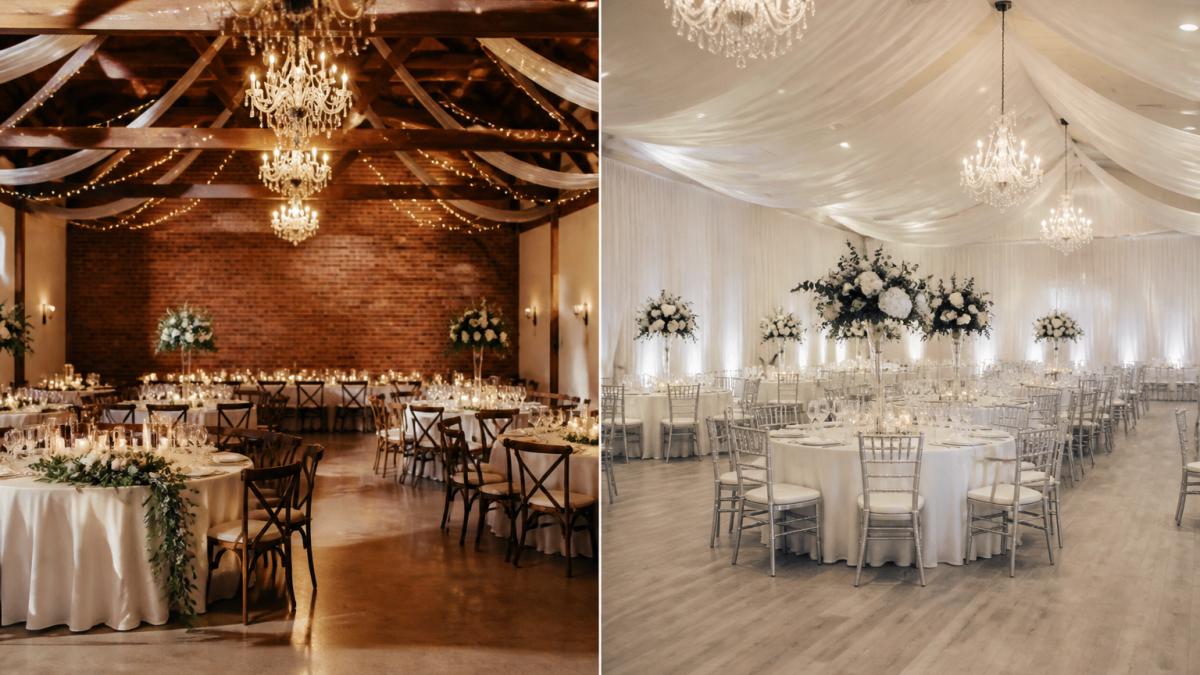
The best venue is the one that already looks like your vision before you add anything. Choosing a wedding venue is a design decision as much as a logistical one, because draping, lighting, and architecture set the ceiling on what your decor can achieve.
Ask three questions on every tour:
- What is included, in writing, and what costs extra?
- How many guests fit comfortably seated versus standing?
- Does the space have permanent features, like up-lighting or lounge furniture, that reduce your rental bill?
A venue with built-in ambiance saves money that would otherwise go to rentals and setup. M Lounge, for example, seats 80 guests and holds 100 for cocktail-style events, with venue draping and professional lighting already part of the space.
Building Your Luxury Wedding Budget Breakdown 2026
A luxury wedding budget breakdown 2026 should follow a simple rule: allocate by experience, not by category. Guests remember the room, the food, and the music. They rarely remember the stationery.
| Priority Tier | Typical Share of Total | What It Covers |
|---|---|---|
| Venue and catering | 40-50% | Space rental, food, beverage, service staff, cake |
| Design, florals, and lighting | 15-20% | Draping, installations, rentals, up-lighting, tablescape |
| Music and entertainment | 8-12% | Band or DJ, production, sound, lighting design |
| Photography and video | 8-10% | Coverage hours, second shooter, editing, album |
| Attire, beauty, and transport | 5-8% | Gown, suit, hair and makeup, guest shuttles |
| Stationery, signage, and favors | 2-4% | Invitations, menus, place cards, welcome gifts |
| Contingency | 8-10% | Overtime, setup fees, weather backup, last-minute additions |
- Venue: overtime, security, coat check, power access, load-in windows outside standard hours, cleaning fees, and required insurance certificates.
- Catering: service charge (often 18-22%), sales tax, bar package minimums, cake-cutting fee, vendor meals, and staffing ratios above the standard one server per 10-12 guests.
- Florals: delivery, installation, strike, vase rental, and the difference between seasonal and imported stems.
- Entertainment: sound check time, green room, meals, and equipment rental if the venue lacks a built-in system.
- Photography: additional hours, travel, second shooter, and album production, which is often quoted separately from the shoot.
The most common budget failure is treating “all-inclusive” as final. Ask every venue to itemize lighting, draping, setup, and overtime charges in the contract before you sign. Surprises after signing are the ones that hurt.
Where to protect the budget, and where to spend. Two categories reward overspending: food and beverage, and music. These are the two experiences guests describe afterward. Two categories reward restraint: stationery and favors, which are photographed once and rarely discussed. A monochrome palette with texture, for example, reads as expensive without requiring the floral volume of a multicolor scheme, which frees budget for the band or the bar program.
Assembling Your Vendor Team for Seamless Execution
Vendor management decides whether a beautiful plan survives contact with the day itself. The couples who report seamless execution share one habit: they appoint a single point of contact who owns communication across the caterer, florist, DJ, and photographer.
Two rules keep a team aligned:
- One shared timeline document, updated weekly, visible to every vendor
- One decision-maker per vendor relationship, so instructions never conflict
Sustainable Luxury Logistics and Tech-Integrated Guest Experiences
Luxury and sustainability are no longer in tension, and technology is no longer a compromise on elegance. These are the two areas most competitors ignore entirely, and they are where a 2026 luxury wedding can differentiate itself without adding visible cost.
Sustainable luxury logistics
Sustainable luxury logistics means designing the event so that the most visible elements are reusable, local, or both. The aesthetic does not change; the sourcing does. Four levers move the needle most:
- Reusable lounge furniture over single-use rentals. Lounge groupings, bars, and ceremony seating that are built to be reused across events eliminate the waste of one-time builds without sacrificing the look.
- Local and seasonal florals over imported stems. Imported blooms carry air-freight emissions and a shorter vase life. Seasonal, regionally grown stems often photograph better because they are cut closer to the event.
- Digital programs and signage over printed. A single well-designed digital program replaces hundreds of printed pieces, and a QR-linked schedule updates in real time if the timeline shifts.
- Zero-waste catering. Plated service with a fixed menu reduces buffet waste; a documented donation plan for untouched food and a composting plan for prep waste close the loop.
Tech-integrated guest experiences
- AI-driven guest concierge. A simple event page or messaging thread that answers parking, dress code, dietary, and schedule questions removes the burden from the couple and the planner. Guests get answers in seconds; the couple stops fielding texts during the reception.
- Digital RSVPs and QR check-in. QR check-in speeds arrival and gives the catering team a live headcount, which reduces over-catering and the waste that comes with it.
- AR or VR guest books. An augmented-reality guest book lets attendees leave a message that the couple views later, replacing a paper book that is often misplaced.
- Drone light shows. Where local regulations permit, a choreographed drone show replaces or supplements fireworks, with no smoke, no fire risk, and no noise complaints from neighbors.
The guest journey has three moments guests judge: arrival, seating, and the first hour. Invest in signage, a welcome drink, and clear seating. Everything after that feels smoother. Technology should serve those three moments, not compete with them.
Used sparingly, technology makes the guest journey feel effortless rather than corporate. The test is simple: if a guest notices the technology, it is doing too much. If a guest simply arrives, finds their seat, and has a drink in hand without asking a question, it is doing exactly enough.
Legal and Insurance Considerations for High-Budget Events
Contracts protect the money you have already committed. Before signing anything, review three areas with a qualified attorney: liability insurance requirements, cancellation and force majeure terms, and vendor deposit refund policies.
Photograph the room before load-in and after load-out. It settles damage disputes quickly and protects your deposit.
Your Luxury Wedding Planning Timeline and Checklist
A luxury wedding planning timeline works backward from the date. Twelve months out, book the venue and lock the guest count range. Nine months out, secure catering, photography, and entertainment. Six months out, finalize design, florals, and attire. Three months out, confirm the timeline with every vendor. One month out, send the final headcount and run a full walkthrough. Refining these logistical milestones ensures that the atmosphere remains cohesive, especially when choosing wedding entertainment that aligns with the overall aesthetic of your celebration.
- Venue booked and contract itemized
- Vendor team confirmed with one point of contact
- Design plan approved with draping and lighting specified
- Insurance policy in place
- Final timeline distributed to all vendors
- Walkthrough completed on site
Frequently Asked Questions
What is a realistic wedding budget in 2026?
A realistic luxury wedding budget in 2026 depends on guest count, venue, and location. Most high-end weddings allocate 40-50% to the venue and catering, 10-15% to photography and videography, 8-12% to florals and decor, and the remainder to attire, entertainment, and transportation. For an intimate event of 80 guests, expect a total investment that reflects premium vendor rates. Start by defining your top three priorities, then build your budget around those. M Lounge can provide a detailed quote based on your specific date and needs.
How far in advance should you book a luxury wedding venue?
For a luxury wedding in 2026, book your venue 12-18 months in advance. Popular dates from May through October fill quickly, and premium venues often have limited availability. If you are planning within 4-6 weeks, contact venues directly to check for cancellations or off-peak dates. M Lounge recommends securing your date as early as possible to lock in preferred vendors and allow adequate time for design planning and logistics coordination.
What elements define a luxury wedding experience?
A luxury wedding experience combines intentional design, seamless execution, and personalized details. Key elements include bespoke floral installations, architectural venue draping, professional up-lighting, curated lounge furniture, and a cohesive aesthetic that tells your story. Guest journey matters too: valet parking, welcome cocktails, and thoughtful transitions between spaces. Technology like digital check-in or custom event apps can elevate the experience. The goal is an immersive, timeless event where every detail feels deliberate and guests feel genuinely cared for.
How do you balance modern trends with timeless elegance for a 2026 wedding?
Balance modern trends with timeless elegance by anchoring your design in classic elements like neutral palettes, quality fabrics, and architectural florals, then layering in one or two current trends. For 2026, consider a monochrome palette with metallic accents or minimalist tablescapes with statement lighting. Avoid trends that feel dated quickly. Invest in pieces you will love in photos decades from now. M Lounge’s venue draping and up-lighting create a timeless backdrop that adapts to any trend you choose.
Planning a luxury wedding means making a hundred decisions that all point in one direction. M Lounge makes that direction easier: an intimate Capitol Heights and Bowie venue with luxurious draping, professional lounge furniture, and mesmerizing up-lights, seating 80 guests or hosting 100 for cocktails. With more than 100,000 happy customers and tailored planning support, the space is built for celebrations that feel timeless. Reserve now and let the room do half the work.