



Last Updated: October 23, 2026
Quick Summary
Corporate event engagement improves when you set clear objectives aligned with attendee goals, design interactive formats that shift participants from spectators to contributors, and tailor activities to your event format, audience size, and demographics. Measure engagement through pre-event, during-event, and post-event KPIs connected to business outcomes, then follow up within 24 hours to sustain momentum.
- Interactive sessions with live Q&A and table discussions increase participation more than one-way lectures.
- Engagement tactics must match event format: in-person events use proximity and movement, virtual events need interaction every few minutes, and hybrid events require a dedicated moderator for remote audiences.
- Events under 50 attendees prioritize roundtable conversations; 50-250 attendees use mixed whole-room and breakout formats; over 250 attendees rely on topic-based meetups and short touchpoints.
- Public recognition significantly increases engagement and retention according to Society for Human Resource Management research.
- Post-event follow-up within 24 hours with photos, takeaways, and accountability on action items determines whether engagement lasts beyond the event.
Table of Contents
- Set Clear Event Objectives and Attendee Goals
- Corporate Event Engagement Ideas That Drive Participation
- Event Attendee Engagement Strategies for Your Audience
- How to Measure Event Engagement with KPIs
- Event Engagement Tools and Technology
- Post-Event Follow-Up and Sustained Engagement
- Frequently Asked Questions
Set Clear Event Objectives and Attendee Goals
Strong corporate event engagement starts before anyone walks through the door. Clear objectives guide every decision, from speaker selection to room layout.
Ask what success looks like: building relationships, launching a product, or celebrating milestones?
Next, identify attendee goals: new skills, peer connections, recognition, or a break from routine.
Harvard Business Review’s guide to event strategy emphasizes that alignment between business goals and attendee goals creates the strongest outcomes.
Document your goals in writing. This keeps everyone focused on the same outcomes. Learn how to set corporate event goals step by step to build a structured foundation for your engagement strategy.
Write your top 3 event objectives and your top 3 attendee goals on separate lists. If they don’t overlap, you’ve found your first problem to solve before the event even starts.
Corporate Event Engagement Ideas That Drive Participation
Engagement happens when attendees feel involved, heard, and valued. Generic presentations and passive listening don’t create that feeling, you need interactive formats that appeal to different personality types and learning styles.
Interactive Sessions and Live Q&A
Ditch the one-way lecture. Interactive sessions create space for real conversation, and attendees lean in when they know they’ll be asked questions, can contribute ideas, or help solve a problem.
Live Q&A works best when you prepare the audience: let people submit questions before the event and display them on screen.
For table discussions, pause the speaker every 10-15 minutes, ask small groups to discuss a question, then invite a few to share with the room.
Interactive formats work because they shift attendees from spectators to contributors. People remember what they say far longer than what they hear.
Icebreakers, Networking, and Team-Building Activities
Networking doesn’t happen by accident, design it into your event. Icebreakers reduce the friction of meeting strangers and create natural conversation starters.
Team-building workshops create shared experience and trust. Collaborative activities, a problem-solving challenge, creative project, or group game, show how colleagues think and work.
Arrange seating strategically: mix departments, seniority levels, and roles. Sitting with the usual crowd keeps engagement surface-level; cross-functional seating forces new connections.
Gamification, Contests, and Recognition
Friendly competition drives engagement. Gamification taps into people’s natural desire to participate, achieve, and be recognized.
Keep games simple and inclusive, complex rules exclude people. A scavenger hunt, trivia challenge, or voting competition works well.
Recognition ceremonies create emotional investment.
Society for Human Resource Management research on employee recognition shows that public recognition significantly increases engagement and retention. Build moments of genuine celebration into your event agenda.
Avoid games that embarrass people or put introverts on the spot. The goal is inclusive engagement, not forcing participation. Always offer an opt-in approach.
Event Attendee Engagement Strategies for Your Audience
Not every engagement strategy works for every group. The most common planning mistake is choosing tactics by trend rather than by format, audience size, and participation needs. Tailoring to those three variables increases participation far more than adding another activity to the agenda.

Match Tactics to Event Format
The same engagement goal requires different mechanics depending on whether attendees are in the room, on a screen, or moving between both.
In-person events. Use the room as an engagement tool. Small-group table discussions, structured networking rotations, and physical activities like gallery walks or problem-solving stations work because they use proximity and body language.
Virtual events. Attention is scarce, so shorten segments and build in interaction every few minutes: live polls, chat prompts, breakout rooms, and moderated Q&A.
Hybrid events. Hybrid is hardest because in-room and remote audiences easily become two separate events. Assign a dedicated moderator to the remote audience whose only job is to bring online questions and comments into the room. Use a shared digital channel both audiences can see, and repeat remote questions aloud before answering.
Adjust for Audience Size
Small meetings and large conferences need different engagement designs.
- Under about 50 attendees: prioritize conversation. Roundtables, facilitated discussions, and peer problem-solving sessions outperform stage-based formats. Everyone can plausibly speak, so design for it.
- Roughly 50 to 250 attendees: use a mix of whole-room moments and small-group breakouts. Live polls and Q&A scale well here; unstructured networking does not, so add structure such as assigned tables or guided prompts.
- Over 250 attendees: engagement depends on many small interactions rather than one big one. Use topic-based meetups, app-matched connections, and repeated short touchpoints. Large general sessions should be short and interspersed with interactive elements, because a single presenter cannot hold a very large room for long.
Tailor to Demographics and Preferences Without Stereotyping
Understand who is in the room: role level, tenure, industry experience, and comfort with technology all shape what will resonate. But treat demographic assumptions as hypotheses, not rules. Not every younger professional wants a fast-paced digital game, and not every senior leader wants a lecture. The reliable method is to ask.
Survey attendees before the event with two or three questions: preferred formats, what they hope to learn, and any participation needs. Use the responses to shape the agenda and say so when you open the event, because people who see their preferences reflected feel heard. If you can’t survey everyone, survey a representative sample and review registration data for patterns.
Design for Accessibility and Inclusive Participation
Accessibility is not an add-on. When people can’t participate fully, they disengage, and your engagement data skews toward those who found the event easy to use.
Offer multiple ways to participate: live Q&A alongside a chat or written question form, in-person activities alongside virtual equivalents, and open spaces alongside quieter breakout rooms.
Build in practical accommodations from the start:
- Caption all presentations and provide transcripts afterward.
- Share slides and materials in advance so attendees can prepare.
- Arrange seating with clear paths for mobility devices and reserve front-row space without requiring a request.
Neurodiversity matters too. Some attendees process information better with visual aids, others need written summaries, and some need scheduled breaks to avoid overwhelm.
Create a quiet space at your event where people can take breaks, and list it on the agenda alongside the main sessions. This simple accommodation helps neurodivergent attendees stay engaged longer and participate more fully.
Handle Event Data and Consent Responsibly
Engagement tactics collect attendee data: poll responses, app activity, photos, and contact details. Treat that as a trust issue, not just logistics. Tell attendees what you’re collecting and why, get consent before photographing or recording, and let them opt out of app tracking or photo use. Follow your organization’s privacy policies and applicable state privacy laws, and keep only the data you’ll use.
Different event formats and audience sizes require tailored engagement approaches to maximize participation.
| Situation | Best Approach | Key Consideration |
|---|---|---|
| In-person events | Small-group discussions, networking rotations, gallery walks | Plan format changes every 60-75 minutes |
| Virtual events | Short segments with polls, breakout rooms, chat prompts | Build interaction every few minutes |
| Hybrid events | Dedicated moderator for remote audience, shared digital channel | Avoid activities that only work for one audience |
| Under 50 attendees | Roundtables, facilitated discussions, peer problem-solving | Everyone can plausibly speak |
| 50-250 attendees | Mix of whole-room moments and small-group breakouts | Use assigned tables or guided prompts |
| Over 250 attendees | Topic-based meetups, app-matched connections, short touchpoints | Large sessions should be short and interspersed |
| All audiences | Multiple participation formats, opt-in rather than forced | Offer captions, transcripts, quiet spaces, clear timing |
How to Measure Event Engagement with KPIs
You can’t improve what you don’t measure, but most event teams stop at attendance and satisfaction. A stronger approach: define a small set of engagement KPIs before the event, assign an owner to each, and connect them to the business outcome the event was designed to produce. This is the step most idea-list guides skip, and the one that tells you whether next year’s budget is justified.
Build a Three-Stage Measurement Framework
Choose two or three KPIs per stage. More than that and no one will review them.
Pre-event KPIs show whether you are building an audience and setting expectations:
- Registration rate and registration velocity (how quickly spots fill after launch)
- Email open and click-through rates on event promotions
- Session preference selections or agenda-building participation
During-event KPIs show whether people are actually participating:
- Attendance rate (actual versus registered) and no-show rate
- Session attendance and session switching
- Participation rate in interactive activities (polls, Q&A, games) as a share of the room
Post-event KPIs show whether engagement lasted:
- Survey completion rate and satisfaction scores
- Session-level feedback scores
- Follow-up actions taken (resources downloaded, meetings booked, connections made)
Connect Engagement to Business Outcomes
Engagement metrics are only meaningful when tied to the reason the event exists. If the goal was relationship building, measure new connections and follow-up meetings. If the goal was learning, measure whether attendees applied what they learned, for example through a follow-up survey a few weeks later.
Learn how to measure corporate event ROI for a comprehensive framework that ties engagement metrics to business outcomes.
Set Targets and Review Cadence
Set a target for each KPI based on your own past events rather than industry averages, because benchmarks vary widely by format and audience. If you have no history, run a baseline event, record the numbers, and set improvement targets for the next one.
Assign a review cadence: check pre-event KPIs weekly during promotion, review during-event KPIs daily during multi-day events, and hold a post-event review within two weeks while memory is fresh. Document what you will change if a KPI misses its target, so the review produces decisions rather than observations.
The most important metric is follow-through. Did attendees take action after the event? Did they apply what they learned? Did they build relationships that lasted? These outcomes matter more than attendance numbers.
Budget and Staffing for Measurement
Measurement has a cost, so plan for it. A basic program can run on tools you already have: registration data, a short post-event survey, and a spreadsheet. More advanced programs require an event app with analytics, a survey platform, and staff time to clean and review data. Decide up front how much staff time you can commit, and keep the KPI set small enough to match it.
Event Engagement Tools and Technology
The right technology amplifies engagement without replacing human connection. Choose tools that match your event format and attendee preferences.
Event apps let attendees browse the agenda, connect with others, and access materials.
Choose intuitive tools, if attendees need training, adoption drops. Test everything before the event and have backup plans if technology fails.
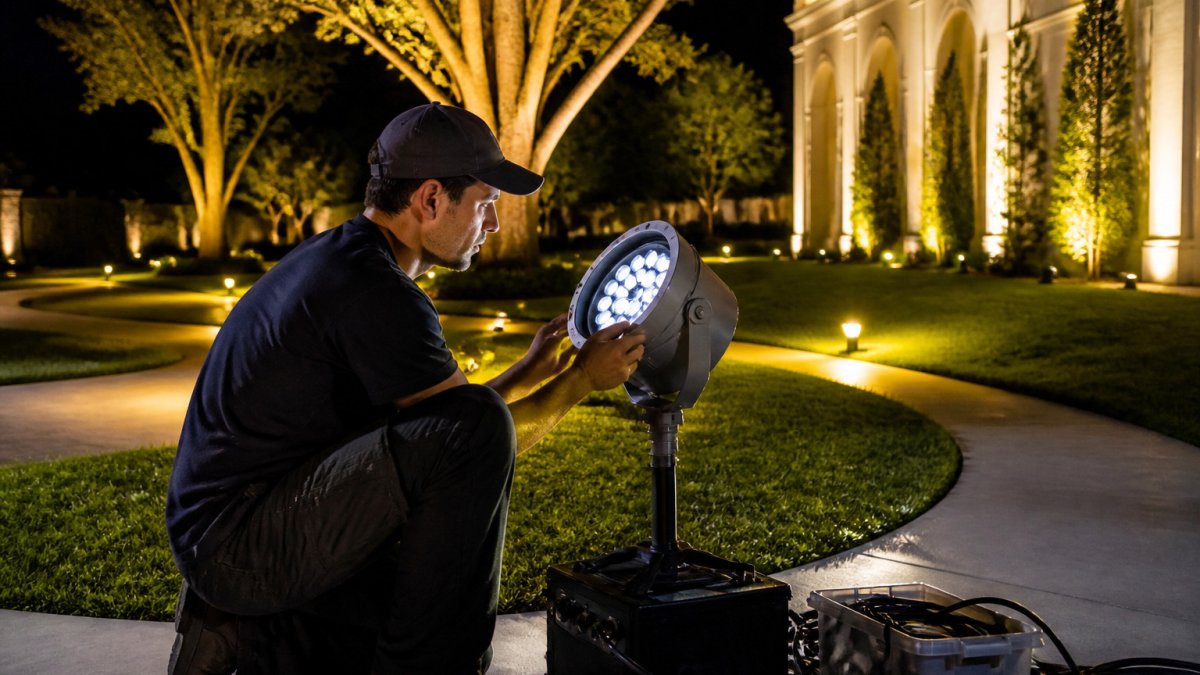
Our elegant venue draping and professional lounge furniture create an inviting atmosphere, while our up-lighting and sound systems support high-quality presentations and interactive experiences. The physical space matters as much as the digital tools. Schedule a tour to see how our venue supports engagement from setup to conclusion.
Don’t let technology overshadow the human experience. Use it to enhance conversation, not replace it.
Post-Event Follow-Up and Sustained Engagement
The event doesn’t end when people leave. What you do in the following days and weeks determines whether the engagement sticks.
Send a thank-you message within 24 hours. Include photos or video highlights. Share key takeaways.
Create a post-event community. Share resources, recordings, and additional content.
Follow up on action items.
Contact M Lounge to discuss how we can support your post-event follow-up strategy and help you plan your next corporate gathering with sustained engagement in mind.
Strong corporate event engagement doesn’t happen by accident. It requires clear objectives, thoughtful activity design, audience awareness, and measurement.
Frequently Asked Questions
How can you make a corporate event more engaging?
Combine multiple tactics: use interactive sessions with live polling and Q&A, structure icebreakers and networking activities early, incorporate gamification or contests, and ensure your speakers use varied presentation formats. Align all activities with your business goals and attendee demographics. Most importantly, gather real-time feedback during the event and adjust activities based on what’s working. Attendee participation increases when they feel heard and when activities directly serve their professional interests.
What activities increase participation at corporate events?
Table discussions, innovation hackathons, wellness programs, and team-building workshops consistently drive participation. Live polls and real-time Q&A sessions create immediate interaction without requiring attendees to volunteer publicly. Photo moments with branded backdrops and event hashtags encourage social sharing. Recognition ceremonies and reward systems motivate attendance at all sessions. The key is offering a mix: some activities for introverts (like table discussions), others for extroverts (like contests), and learning-based activities that align with attendee goals.
How do you measure engagement at a corporate event?
Track pre-event metrics like registration rates and email open rates. During the event, measure session attendance, live poll participation, Q&A questions submitted, networking connections made, and social media activity. Post-event, monitor survey response rates, feedback scores, and attendee retention for future events. Compare these metrics against your business objectives to determine whether the event achieved its goals. A measurable engagement framework helps you identify which activities worked and which need adjustment for next time.
What role does the venue play in corporate event engagement?
The venue directly impacts engagement through its layout, amenities, and atmosphere. An elegant space with professional lounge furniture and thoughtful lighting sets a sophisticated tone that encourages networking and conversation. The capacity and configuration should match your audience size and activity types. Interactive displays, conversation areas, and breakout spaces enable different engagement formats. A well-designed venue removes friction from participation and creates an opulent ambiance that reflects positively on your organization and makes attendees more likely to participate fully.